Key takeaways
- Big productivity boost from a second screen anywhere.
- Single-cable USB-C convenience on supported laptops.
- Lightweight and portable for easy travel.
- Console compatibility on models with HDMI and speakers.
What's inside
Adding a second monitor to your laptop is the single most effective productivity upgrade most people can make. A portable second screen lets you keep reference material, chat, or a video call open beside your main work, and the best models weigh next to nothing and connect with a single cable.
We compared a range of portable monitors and laptop screen extenders to find which deliver the best image quality, connectivity, and portability. Here is how the leading options compare for adding a 2nd screen to your laptop.
As an Amazon Associate we earn from qualifying purchases at no extra cost to you.




🎮 Get More From Your Setup — Free
Prime Gaming gives you free PC games every month, in-game loot, and a free Twitch channel sub — plus fast free shipping on all the gear above. New members get a 30-day free trial.
Watch: 2nd Monitor For Laptop: Review & Buyer’s Guide — Video Review
Design & Build
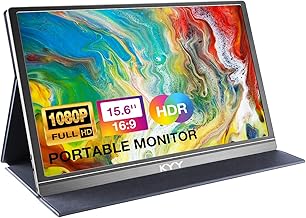
Portable second screens come in two main styles. Standalone units like the MNN 15.6-inch, ForHelp 15.6-inch, and Anyuse 15.6-inch are ultra-slim zero-frame IPS panels with kickstands or smart covers that stand beside your laptop. The KYY 15.6-inch adds a protective cover and speaker. Attach-style extenders like the 14-inch and KEFEYA 14-inch models clip directly to your laptop lid, sliding out to sit alongside your built-in display for a unified travel setup.
Performance
These 1080p FHD IPS panels deliver sharp, color-rich visuals with wide viewing angles that make documents, spreadsheets, and video look great. USB-C one-cable operation is the highlight, carrying both video and power on supported laptops, while HDMI plus USB-A works as a fallback. The MNN and ForHelp models add HDR support and built-in speakers, handling gaming consoles like the Switch, PS5, and Xbox as well as laptops and phones. The clip-on KEFEYA and 14-inch extenders excel at creating a true dual-screen laptop for travel.
Pros & Cons
- Big productivity boost from a second screen anywhere.
- Single-cable USB-C convenience on supported laptops.
- Lightweight and portable for easy travel.
- Console compatibility on models with HDMI and speakers.
- Standalone units need desk space beside your laptop.
- Clip-on extenders can add weight to the lid.
Alternatives to Consider
If you want a flexible screen that also works with consoles and phones, a standalone unit like the MNN or ForHelp 15.6-inch is ideal. Those who want a tidy travel setup that moves with the laptop should choose a clip-on extender like the KEFEYA or 14-inch model. Budget-minded buyers who value a bundled cover will appreciate the KYY 15.6-inch with its built-in speaker.
Frequently Asked Questions
Can I connect a portable monitor with one cable?
Yes, if your laptop has a USB-C port with DisplayPort Alt Mode. That single cable carries video and power. Otherwise, use HDMI for video plus USB-A for power.
Standalone or clip-on, which is better?
Standalone monitors are more versatile and work with consoles and phones, while clip-on extenders create a neater travel dual-screen that moves with your laptop.
Are portable monitors good for gaming?
Most are 60Hz FHD panels suited to casual gaming and console play. Models with HDMI and speakers work well with the Switch, PS5, and Xbox.
Will a second screen drain my laptop battery?
Powering a screen over USB-C does draw from your laptop battery, so keep a charger nearby for long sessions or choose a model with a separate power input.
Verdict
A second monitor for your laptop transforms how much you can get done on the road. For maximum versatility, the MNN or ForHelp 15.6-inch standalone panels are our top picks, while the clip-on KEFEYA extender is best for a tidy travel setup. Match the style to how you work, and you will never want to go back to a single screen.