Our Top Picks
 Pioneer F-Series TS-F1634R 6.5" 2-Way Coaxial Car Speakers6.5”4.87 x 6.25 x 5.62 inches2.2 poundsCheck on Amazon
 Kenwood KFC-1666S Car Stereo Speaker 6-1/2" 2-Way Speakers6.5 Inches3.6 x 7.6 x 13.5 inches2.8 poundsCheck on Amazon
 Pioneer A-Series Plus TS-A1681F 6.5" 4-Way Coaxial Car6.5” Coaxial3.5 x 6.9 x 6.9 inches1.8 poundsCheck on Amazon
The 6.5-inch speaker is the most common round speaker size in cars and trucks, and that is the whole reason this category exists. When the factory paper cones in your door start to sound muddy or crackly, a pair of 6.5-inch replacements drops into the same opening, often with no cutting, and instantly gives you clearer vocals and tighter bass. The decision is less about finding a magic brand and more about choosing the right speaker layout, power handling, and impedance for the stereo that will drive them.
This guide is for drivers who want a straightforward upgrade over worn or thin-sounding factory speakers, whether they are running the stock head unit or a small aftermarket amplifier. Every model below is a 6.5-inch (or 6-1/2-inch) coaxial design from Pioneer, Kenwood, JVC, Kicker, or BOSS. The picks are compared on the specs in their listings, and the trade-offs matter, because a higher wattage number is not always the better buy when a basic factory radio is doing the driving, even in 2026.
Quick Picks
Pioneer F-Series TS-F1634R 6.5" 2-Way Coaxial Car Speakers 200W Max | Great Factory Speaker Replacement, Balanced Sound + Smooth Treble, High-Efficiency Speaker Designed for OEM Power
One of the consumer electronics options compared in this guide.
View on Amazon
BOSS Audio Systems CH6530 6.5 Inch Car Speakers, 300 Watts Per Pair, 3 Way
One of the consumer electronics options compared in this guide.
View on Amazon
JVC CS-J620 300W 6.5" CS Series 2-Way Coaxial Car Speakers, Set of 2, 6.5" Mica Cone Woofer & 1" PEI Tweeter, Hybrid Surround, Easy Installation
One of the consumer electronics options compared in this guide.
View on AmazonKenwood KFC-1666S Car Stereo Speaker 6-1/2" 2-Way Speakers with Powerful Sound and Easy Installation - Elevate Your Car Audio
One of the consumer electronics options compared in this guide.
View on AmazonPioneer A-Series Plus TS-A1681F 6.5" 4-Way Coaxial Car Speakers 350W Max | Ideal Factory Upgrade, Balanced Sound + Smooth Treble, Enhanced Bass, Installation Adaptors Included
One of the consumer electronics options compared in this guide.
View on Amazon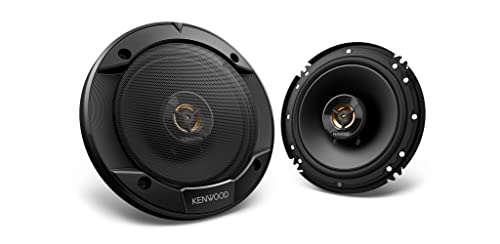
Kenwood KFC-1666R Road Series Car Speakers (Pair) - 6.5" 2-Way Car Coaxial Speakers, 300W, 4-Ohm Impedance, Cloth Woofer & Balanced Dome Tweeter, Heavy Duty Magnet Design
One of the consumer electronics options compared in this guide.
View on Amazon
KICKER DSC650 6.5-Inch (160-165mm) Coaxial Speakers, 4-Ohm (Pair) | Crisp full-range sound upgrade, direct factory replacement size, smooth highs and punchy mids, easy panel install
One of the consumer electronics options compared in this guide.
View on Amazon
PIONEER A-Series Standard TS-A1671F 6.5" 3-Way Coaxial Speakers 320W Max | Ideal Factory Upgrade, Balanced Sound + Smooth Treble, Enhanced Bass, Installation Adaptors Included
One of the consumer electronics options compared in this guide.
View on Amazon| Product | Best for | Key spec from the title |
|---|---|---|
| Pioneer TS-F1634R | Clean factory replacement | 2-way coaxial, 200W max |
| BOSS Audio CH6530 | Budget upgrades | 3-way, 300 watts per pair |
| JVC CS-J620 | Easy installs with a firm woofer | 2-way, 300W, mica cone woofer, 1″ PEI tweeter |
| Kenwood KFC-1666S | Simple swaps | 2-way, 6-1/2″ size |
| Pioneer TS-A1681F | Bass-focused factory upgrades | 4-way coaxial, 350W max |
| Kenwood KFC-1666R | Smooth highs on a modest amp | 2-way, 300W, 4-ohm, cloth woofer |
| Kicker DSC650 | Direct fit with a crisp sound | 6.5-inch coaxial, 4-ohm pair |
| Pioneer TS-A1671F | Balanced all-round upgrade | 3-way coaxial, 320W max |
How to Choose
Confirm the fit before the sound
A speaker labeled 6.5 inches is not guaranteed to fit every door. The measurement that matters is mounting depth, because a tall magnet or tweeter can hit the window track. Check your vehicle’s cutout diameter, bolt pattern, and available depth in a fitment guide. Models described as direct factory replacements or easy installation have the best odds of dropping in, but a thick motor can still be a problem in shallow door skins, so measure first. Also look at the bolt pattern. Many cars use a slightly different hole spacing than the speaker, and a cheap plastic adapter ring or mounting bracket solves that. Keep the factory connector in mind as well, because a wiring harness adapter lets you plug in without cutting any wires.
Understand coaxial layouts: 2-way, 3-way, and 4-way
All of these are coaxial speakers, meaning the tweeter sits on a post in front of the woofer. A 2-way splits sound between a woofer and a tweeter. A 3-way and a 4-way add small extra drivers to widen the highs. More drivers look impressive, but on a factory head unit they mainly add sparkle at the top of the range. Do not assume a 4-way sounds twice as good as a 2-way. Cone material, tweeter quality, and surround design usually matter more than the driver count. If you ever plan to mount the tweeters higher on the dash or the pillar, a coaxial pair is the wrong tool, and a component set is the better path.
Read the wattage and impedance honestly
A listing’s “300W” or “350W max” figure is peak power, not the continuous power the speaker handles all day. A typical factory stereo puts out a small fraction of that, so a speaker with high sensitivity will play louder on low power than one with a bigger peak number. Impedance is the other number to check. Most of these speakers are rated at 4 ohms, which is the standard match for car stereos. If you are adding an amplifier, compare its output per channel to the speaker’s continuous handling, not the headline peak. Running a speaker far below its power rating is harmless, while sending it far more than it can handle will damage the voice coil, so err on the side of a modest amplifier if you are unsure.
Know what budget speakers skimp on
Entry-level pairs often use paper or basic cloth cones, small magnets, and simple foam or rubber surrounds. Those materials are fine for a clear step up from worn factory drivers, but they flex under heavy bass and can sound harsh when pushed. If your goal is crisp voices and balanced music at normal volume, a modest pair is enough. If you want serious bass, plan to add a subwoofer rather than expecting a pair of door speakers to deliver it. A few strips of sound-deadening material on the inner door skin also reduce rattles, and that costs very little compared with buying a more expensive speaker to fix a problem the door itself is causing.
The 8 Best Options
Pioneer TS-F1634R
The F-Series is positioned as a factory speaker replacement, and the title mentions 200W max, a 2-way coaxial design, balanced sound, smooth treble, and high efficiency. That last point is helpful for stock stereos that do not have much power to give.
- Strength: High efficiency helps it play well from a factory head unit.
- Strength: Balanced sound and smooth treble suit everyday listening.
- Trade-off: The 200W max rating is the lowest on this list, so it is not aimed at amplified systems.
Skip it if you plan to run it from a powerful external amplifier.
BOSS Audio CH6530
A low-cost 3-way pair rated at 300 watts per pair. The title is short on detail, which tells you this is a value-first product rather than a refined audio upgrade.
- Strength: A 3-way layout adds extra high-frequency drivers for a brighter sound.
- Strength: It is a straightforward replacement for tired factory speakers.
- Trade-off: The 300 watts per pair figure is for the pair, so each speaker gets a smaller share than the number suggests.
Skip it if you care about tuned sound quality over getting a basic improvement.
JVC CS-J620
This pair has the most detail in its listing. It is a 2-way coaxial set of two with a 6.5-inch mica cone woofer, a 1-inch PEI tweeter, a hybrid surround, 300W peak rating, and easy installation.
- Strength: A mica cone woofer is stiffer than plain paper, which helps midrange clarity.
- Strength: A PEI tweeter is a durable high-frequency driver for everyday music.
- Trade-off: Only a 2-way layout, so it does not offer the extra tweeter elements of a 3-way or 4-way.
Skip it if you specifically want the multi-driver design of the Pioneer A-Series models.
Kenwood KFC-1666S
The KFC-1666S is a 6-1/2-inch 2-way pair marketed for easy installation and powerful sound. The title gives few technical details, so it reads as a no-frills swap for worn-out speakers.
- Strength: Easy installation makes it friendly to first-time DIYers.
- Strength: A 2-way design keeps things simple for a stock stereo.
- Trade-off: The listing offers no impedance or power rating in the title, so check the full specifications before buying.
Skip it if you want clear power and driver-material specs up front.
Pioneer TS-A1681F
This is the top of the Pioneer group here: a 4-way coaxial speaker listed at 350W max, marketed as an ideal factory upgrade with balanced sound, smooth treble, and enhanced bass.
- Strength: The 4-way layout and enhanced bass promise a fuller overall sound.
- Strength: The highest peak rating on the list gives headroom if you add an amplifier later.
- Trade-off: A multi-driver coaxial design can be deeper at the magnet, so check door clearance.
Skip it if you want the simplest possible 2-way and do not need extra tweeters.
Kenwood KFC-1666R Road Series
A 2-way coaxial pair, listed at 300W with 4-ohm impedance, a cloth woofer, and a balanced dome tweeter. The cloth woofer and dome tweeter point to a smoother, less harsh sound.
- Strength: A balanced dome tweeter tends toward smoother highs than a bare cone.
- Strength: The 4-ohm impedance is clearly listed for easy stereo matching.
- Trade-off: Only two drivers, so the top end is less elaborate than the 3-way or 4-way pairs.
Skip it if you prefer a bright, sparkly top end.
Kicker DSC650
The Kicker lists a 6.5-inch (160-165mm) coaxial pair at 4 ohms, with crisp full-range sound, direct factory-replacement sizing, and smooth highs. The metric range in the title helps you confirm the fit for your vehicle.
- Strength: Direct factory replacement size lowers the risk of a fitment surprise.
- Strength: A 4-ohm pair works with most car stereos.
- Trade-off: The title gives no peak wattage, so you will need the full listing for handling details.
Skip it if you shop mainly by headline wattage.
Pioneer TS-A1671F
The A-Series Standard is a 3-way coaxial speaker rated at 320W max and positioned as a factory upgrade with balanced sound, smooth treble, and enhanced bass.
- Strength: A 3-way layout offers extra top-end detail without a 4-way’s extra bulk.
- Strength: Enhanced bass and smooth treble target everyday music.
- Trade-off: It sits between the F-Series and the A-Series Plus, so it may not stand out for any single trait.
Skip it if you want either the lowest-cost option or the most elaborate driver layout.
Which One Fits Your Situation
You are keeping a factory stereo
Choose the Pioneer TS-F1634R. Its title highlights high efficiency, which is what matters when a factory radio has limited power.
You want the simplest drop-in replacement
The Kicker DSC650 is described as a direct factory replacement size, and the JVC CS-J620 lists easy installation, so either lowers the chance of fitment trouble.
You want a fuller, bass-forward upgrade
Go with the Pioneer TS-A1681F for its 4-way layout and enhanced bass, or the Pioneer TS-A1671F if you want a slightly simpler 3-way design.
You want a smooth, relaxed sound on a tight budget
The Kenwood KFC-1666R offers a cloth woofer and balanced dome tweeter, which suits listeners who find bright speakers fatiguing.
Common Mistakes
- Buying on peak wattage alone instead of efficiency and impedance.
- Skipping a depth and cutout measurement, then discovering the magnet hits the window track.
- Assuming a 4-way will sound dramatically better than a 2-way on a factory radio.
- Forgetting that rear and front door speakers may be different sizes in the same vehicle.
- Expecting door speakers to replace a subwoofer when the real complaint is weak low bass.
Related guides
- External Hard Drive For Xbox Series X
- How To Check Gpu Temperature While Gaming
- Record Player Bluetooth Speakers
Frequently Asked Questions
Do I need an amplifier for these speakers?
Not necessarily. Many 6.5-inch coaxials are designed to work from a factory or aftermarket head unit. An amplifier adds volume and control, but a simple replacement pair will already sound clearer than worn paper speakers.
What does coaxial mean?
It means the tweeter is mounted in front of the woofer on one frame, so a single speaker produces the full frequency range. That makes installation simpler than a component set with separate tweeters and crossovers.
Is a higher watt rating always better?
No. The listed number is usually peak power. Sensitivity, cone materials, and the power your stereo can actually deliver matter more in daily use.
Will a 6.5-inch speaker fit a 6-3/4-inch opening?
Sometimes, but not always. Always check the vehicle’s fitment guide and the speaker’s mounting dimensions, and use an adapter bracket if the bolt pattern does not match.