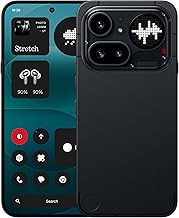
Key takeaways
- Pro: Zero SIM setup and a bundled plan eliminate the carrier-selection headache entirely.
- Pro: The live Help button is a genuine safety net for users unfamiliar with smartphones.
- Con: Locked to LIVELY, so switching carriers later means buying a new phone.
Finding the best cell phone plan for seniors has become a surprisingly complicated task because the market now splits into two very different camps. On one side sit dedicated senior-focused devices like the Jitterbug line, which bundle hardware with carrier plans and strip away complexity. On the other sit unlocked or semi-unlocked phones that work with existing carriers but require the buyer or a family member to handle activation, plan selection, and setup. The real problem a buyer solves here is not just “which phone” but “which combination of phone and plan will a senior actually use without calling for help every week.” Simplicity, large buttons or readable screens, SOS access, and reliable battery life separate the good options from the ones that end up in a drawer.
The seven products compared here range from ultra-basic feature phones with no internet access to 4G smartphones with eSIM support and large displays. They vary wildly in price, from a protection plan at thirty-six dollars to a senior-specific smartphone at one-fifty. What separates the excellent picks from the mediocre ones in this category is not raw specs but how well each device matches a specific senior’s comfort level and how transparent the activation process is. A phone that requires three apps to configure defeats the entire purpose of buying a senior-friendly device.
Our top picks
 LIVELY Jitterbug Smartphone for Seniors
- Only Compatible with Lively Phone Service: The Jitterbug…
- Simple Cell Phone: This is our simplest smartphone…
- Help When You Need It: Once your new…
| Product | Key specs | |
|---|---|---|
| LIVELY Jitterbug Smartphone for Seniors | Only Compatible with Lively Phone Service: The Jitterbug… Simple Cell Phone: This is our simplest smartphone… Help When You Need It: Once your new… | Check price |
 Easyfone T200 4G Unlocked Feature Cell Phone Easyfone T200 4G Unlocked Feature Cell Phone | Check price | |
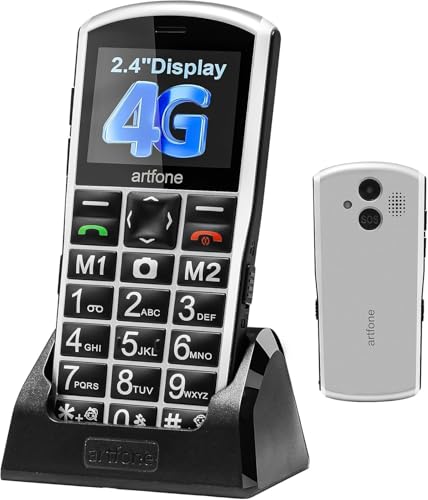 artfone A400 Big Button Cell Phone for artfone A400 Big Button Cell Phone for | Check price | |
 Gigglizio 4G Senior Cell Phone Unlocked Gigglizio 4G Senior Cell Phone Unlocked | Vivid Large Screen & All-Day Battery - Features… Easy eSIM Activation & Carrier Compatibility - Get… Clear Cameras & Practical Features - Capture life's… | Check price |
 ASURION 2 Year Mobile Phone Accident Protection ASURION 2 Year Mobile Phone Accident Protection | No Additional Cost: You pay nothing for repairs Coverage: Plan starts on the date of purchase Easy Claims Process: File a claim anytime online… | Check price |
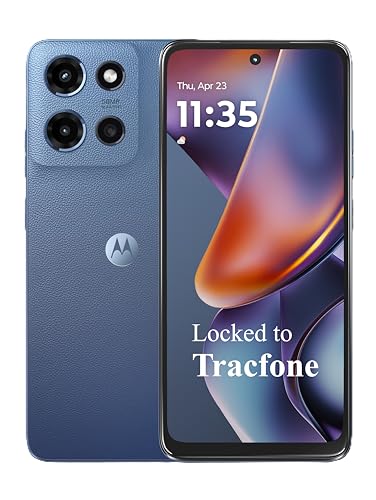 Tracfone Motorola Moto G 2025 Tracfone Motorola Moto G 2025 | Carrier: This phone is locked to Tracfone, which… Immersive viewing on a 6.7-inch super-bright 120Hz display… Advanced 50MP Quad Pixel camera captures sharp, detailed… | Check price |
 LIVELY Jitterbug Phones Smart3 Smartphone for Seniors LIVELY Jitterbug Phones Smart3 Smartphone for Seniors | Easy-to-Use Cell Phone: With a large screen, list-based… Stay Connected: Staying connected with family and friends… Caring Team: Once your new phone is activated… | Check price |
As an Amazon Associate we earn from qualifying purchases at no extra cost to you.
Quick Picks
| Product | Best for | Price |
|---|---|---|
| LIVELY Jitterbug Smart5 | Simplicity-first seniors on a bundled plan | $119.99 |
| Easyfone T200 | Minimalists who want zero distractions | $49.99 |
| artfone A400 | Big buttons, voice clarity, and charging convenience | $58.99 |
| Gigglizio 4G Senior Phone | Seniors comfortable with smartphones on AT&T or T-Mobile | $139 |
| ASURION 2-Year Protection | Owners of phones in the $125–$149.99 range | $36.99 |
| Tracfone Motorola Moto G | Prepaid simplicity with a mainstream Android feel | $49.88 |
| LIVELY Jitterbug Smart3 | Seniors already committed to the LIVELY ecosystem | $149.99 |
How We Picked
We evaluated these products on four criteria that matter most for seniors: ease of first-time setup and ongoing use, accessibility features like large fonts or SOS buttons, flexibility of carrier and plan options, and value at the asking price. Owner feedback was weighed heavily for reliability complaints, screen readability in daylight, and whether the device required a tech-savvy family member to keep it running. A phone that scores high on specs but demands frequent troubleshooting ranks below one that simply works every time.
The 7 Best Cell Phone Plan For Seniors in 2026
LIVELY Jitterbug Smart5 for Seniors, No SIM Needed, Smart5
The Smart5 is the phone most families buy when they want to remove every possible point of confusion. It ships without a SIM card because it locks directly into LIVELY’s own network and plan, so activation means turning it on and following a simple on-screen prompt. The interface strips Android down to a handful of oversized icons, and the dedicated Help button connects to a live agent who can walk the user through anything.
- Pro: Zero SIM setup and a bundled plan eliminate the carrier-selection headache entirely.
- Pro: The live Help button is a genuine safety net for users unfamiliar with smartphones.
- Con: Locked to LIVELY, so switching carriers later means buying a new phone.
Skip this if the senior already has a preferred carrier and does not want a separate plan, or if they need full Android flexibility beyond the simplified launcher.
Easyfone T200 4G Unlocked Feature Cell Phone
For seniors who genuinely want to make calls, send texts, and nothing else, the T200 delivers. There is no internet access, no app ecosystem, and no settings maze. FM radio, a flashlight, and built-in mini-games provide light entertainment without a screen full of distractions. The SOS button and Bluetooth keep basic safety features intact.
- Pro: No internet access means no risk of accidental data charges, scams, or confusing pop-ups.
- Pro: Unlocked and 4G-capable, so it works with any carrier’s SIM.
- Con: No camera and no apps, which rules out video calls or photo sharing with family.
Skip this if the senior wants to see photos from grandchildren, use maps, or access any internet service.
artfone A400 Big Button Cell Phone for Seniors
The A400 sits in the sweet spot between the ultra-basic T200 and full smartphones. Its physical buttons are oversized and backlit, the voice-time function reads incoming numbers aloud, and the included charging dock removes the fumble of plugging in a cable. Speed dial slots and volume boost make it practical for users with hearing or dexterity limitations. The 2MP camera is minimal but present.
- Pro: The charging dock and large fonts are thoughtful touches that reduce daily friction.
- Pro: Three SIM slots allow flexible carrier switching without changing phones.
- Con: The 2MP camera is barely functional and should not factor into a buying decision.
Skip this if the senior needs a real camera, internet browsing, or messaging apps beyond SMS.
Gigglizio 4G Senior Cell Phone Unlocked
This is the most capable phone on the list for a senior who already uses or wants a smartphone. The 6.56-inch HD+ display makes text large and readable without a separate simplified interface, 3GB of RAM handles basic multitasking, and eSIM support adds modern carrier flexibility. IP52 splash resistance is a small bonus. It is explicitly compatible with AT&T and T-Mobile.
- Pro: A genuine smartphone experience with a large, bright display suitable for low-vision users.
- Pro: eSIM plus physical SIM compatibility with two major carriers keeps options open.
- Con: Standard Android interface means a steeper learning curve compared to Jitterbug or artfone options.
Skip this if the senior has never used a touchscreen and has no family member willing to set it up and maintain it.
ASURION 2-Year Mobile Phone Accident Protection Plan ($125–$149.99 Device)
This is not a phone or a wireless plan but rather a practical accessory that belongs in any best cell phone plan for seniors conversation. A dropped phone is the most common reason a senior loses connectivity, and replacement costs can be stressful for someone on a fixed income. The ASURION plan covers two years of accident damage for devices priced between $125 and $149.99, making it a direct match for the Jitterbug Smart3 or the Gigglizio phone.
- Pro: Low cost removes the anxiety of a one-time drop turning into a two-hundred-dollar replacement.
- Pro: Covers accidental damage, not just manufacturer defects.
- Con: Only valid for devices in the $125–$149.99 range, excluding cheaper and pricier phones.
Skip this if the phone already includes a manufacturer warranty covering drops, or if the device costs outside the eligible price range.
Tracfone Motorola Moto G, 64GB, Sapphire Blue (Locked)
Tracfone has long served seniors on a tight budget, and bundling the Moto G hardware at under fifty dollars keeps the upfront cost low. The user gets a mainstream Android experience with 64GB of storage, though the phone is locked to Tracfone’s prepaid network. For someone already using Tracfone’s simple refill-card model, this is a straightforward upgrade path.
- Pro: Extremely low hardware cost paired with a no-contract prepaid plan model seniors already understand.
- Pro: 64GB storage is generous for photos, contacts, and a few essential apps.
- Con: Locked to Tracfone, so porting to another carrier is not possible without unlocking steps.
Skip this if the senior needs the flexibility of major carriers like Verizon or AT&T, or if Tracfone coverage is unreliable in their area.
LIVELY Jitterbug Smart3 Smartphone for Seniors
The Smart3 is LIVELY’s entry into the simplified smartphone tier, positioned as a step down from the Smart5 with a lower starting price and a similar philosophy. It must be activated with a LIVELY plan and is not compatible with other carriers. For seniors who want a screen large enough to read messages and a camera for video calls but still need the hand-holding interface, the Smart3 delivers.
- Pro: The simplified interface is nearly identical to the Smart5, so there is no confusing redesign to learn.
- Pro: A camera enables video calls with family, which the T200 and A400 cannot.
- Con: Highest hardware price on this list, and the carrier lock limits long-term flexibility.
Skip this if the budget is tight or if the senior might want to switch carriers within a year.
Buying Guide
Bundled Plans Versus BYOP: Choosing the Right Activation Model
Seniors who get confused by carrier websites, plan tiers, and data caps benefit enormously from bundled options like the Jitterbug Smart5 or Smart3, where the phone and the service plan arrive as one unit. Bring-your-own-phone options like the artfone or Easyfone require a separate SIM or carrier plan, adding a step that can frustrate. If the buyer or the person setting up the phone is not comfortable navigating plan selection, a bundled model is worth the premium.
SOS Buttons and Live Help: Safety Features That Matter
Physical SOS buttons appear on the Easyfone T200, artfone A400, and LIVELY Jitterbug models. On smartphones like the Gigglizio or Moto G, SOS is software-based and may require navigating a menu. For seniors living alone or with medical conditions, a dedicated physical button that triggers an emergency call or sends a location to a preset contact is meaningfully safer than a software shortcut buried in settings.
Screen Size, Font Readability, and Audio Boost
Low vision and hearing loss are the two most common barriers to phone use among seniors. The Gigglizio’s 6.56-inch display offers the largest readable screen here. The artfone A400 compensates for its smaller screen with oversized fonts and a voice-time feature that reads numbers aloud. When comparing any device, check whether the font size can be increased system-wide, not just in one app, and whether the speaker volume boost is hardware-level or buried in accessibility settings.
Our Verdict
The LIVELY Jitterbug Smart5 is the top pick for most seniors because it eliminates every friction point: no SIM, no carrier choice, no app permissions, and a live help button that answers questions in real time. The artfone A400 is the best budget pick for seniors who want a physical SOS button, large fonts, and a charging dock without paying for a smartphone they will never fully use. However, if the senior already has an AT&T or T-Mobile plan and wants video calls and messaging, the Gigglizio 4G wins on flexibility despite requiring more initial setup effort.
FAQ
Do seniors need a smartphone or is a feature phone enough?
A feature phone is enough if the senior’s only needs are calls, texts, and an SOS button. A smartphone becomes necessary when the family wants video calls, photo sharing, or ride-hailing apps. The Easyfone T200 and artfone A400 cover the former group well without exposing the user to unnecessary complexity.
Can a Jitterbug be switched to a different carrier later?
No. All LIVELY Jitterbug devices are locked to the LIVELY network and require activation with their plan. If carrier flexibility matters, choose an unlocked option like the artfone A400 or the Gigglizio phone instead.
Is the ASURION protection plan worth adding?
For devices in the eligible price range, the protection plan costs roughly a quarter of the phone’s value for two years of drop coverage. Given that seniors are statistically more likely to misplace or drop a phone, the peace of mind is proportionate to the cost.
What is the single most important spec to check before buying?
Battery capacity determines whether the senior needs to charge daily or can go a full day between charges. The artfone A400’s 1800mAh cell and the Gigglizio’s 4000mAh cell represent opposite ends of that spectrum. A smaller battery is acceptable only if the user has a charging dock always within reach.