Key takeaways
- Clarity: Teammates should hear you clearly without muffling or static; a weak mic can cost you in team-based games.
- Noise cancellation: A noise-canceling mic, like those on the Ozeino and BENGOO, filters out fans, keyboards, and background chatter.
- Detachable or flip-to-mute: Detachable mics, as on the JBL Quantum 100M2, add flexibility for using the headset out and about.
- Positioning: An adjustable boom that sits near your mouth captures your voice far better than a fixed, distant mic.
What's inside
- Watch: How to Choose a Gaming Headset (2026 Guide) — Video Review
- Sound Quality and Positional Audio
- Microphone Clarity Matters More Than You Think
- Comfort for Long Sessions
- Wired Versus Wireless
- Platform Compatibility and Connections
- Tips
- Related Guides
- Frequently Asked Questions
- Conclusion
- Related Articles
- Related Guides
A good gaming headset does more than pipe sound into your ears. It tells you where an enemy is stepping before you see them, keeps your voice clear for your teammates, and stays comfortable through hours of play. The wrong one leaves you straining to hear footsteps, dealing with a muddy microphone, or nursing sore ears halfway through a session. For competitive and immersive gaming alike, the headset is one of the most underrated pieces of gear you own.
- Watch: How to Choose a Gaming Headset (2026 Guide) — Video Review
- Sound Quality and Positional Audio
- Microphone Clarity Matters More Than You Think
- Comfort for Long Sessions
- Wired Versus Wireless
- Platform Compatibility and Connections
- Tips
- Related Guides
- Frequently Asked Questions
- Conclusion
- Related Articles
- Related Guides
This guide explains what really matters when choosing a gaming headset, from audio quality and microphone clarity to comfort, connectivity, and platform compatibility. By the end you will know how to match a headset to the way you play and avoid paying for features that will not help you win.
As an Amazon Associate we earn from qualifying purchases at no extra cost to you.

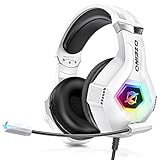

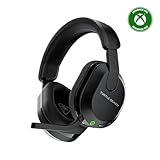




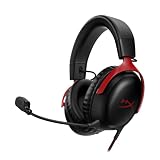
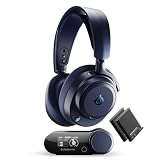
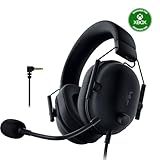
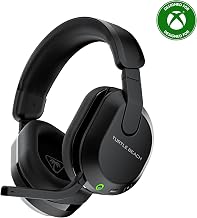
The headsets above cover wired and wireless options across multiple platforms and price points, and they represent the balance of sound, mic quality, and comfort we look for when recommending a gaming headset.
⚡ Save on Your Next PC — Amazon Prime
Prime members get fast free shipping on the systems above, plus early access to Prime Day & Black Friday PC deals. New members get a 30-day free trial.
Watch: How to Choose a Gaming Headset (2026 Guide) — Video Review
Sound Quality and Positional Audio
The most important job of a gaming headset is letting you hear clearly and locate sounds accurately. Good drivers deliver clean audio across the range, so footsteps, reloads, and directional cues stand out. Many headsets add virtual surround sound, like the 7.1 modes on the Ozeino and BENGOO models, which can help you sense direction in supported games. For competitive play, accurate stereo imaging often matters more than heavy bass, since being able to pinpoint an opponent is worth more than booming explosions.
Microphone Clarity Matters More Than You Think
- Clarity: Teammates should hear you clearly without muffling or static; a weak mic can cost you in team-based games.
- Noise cancellation: A noise-canceling mic, like those on the Ozeino and BENGOO, filters out fans, keyboards, and background chatter.
- Detachable or flip-to-mute: Detachable mics, as on the JBL Quantum 100M2, add flexibility for using the headset out and about.
- Positioning: An adjustable boom that sits near your mouth captures your voice far better than a fixed, distant mic.
Comfort for Long Sessions
A headset you cannot wear for three hours is the wrong headset, no matter how good it sounds. Look for soft, breathable earcups, memory-foam cushions like those on the BENGOO, and an adjustable headband that spreads weight evenly. Clamping force matters too: too loose and it slips, too tight and it gives you headaches. Weight is a factor for wireless models in particular, since bigger batteries add heft. If you wear glasses, plush earpads that relieve pressure on the arms of your frames make a real difference over a long night of gaming.
Wired Versus Wireless
Both connection types have clear trade-offs. Wired headsets like the Razer BlackShark V2 X and Logitech G432 plug in over 3.5mm or USB, never need charging, and deliver reliable low-latency audio, which many competitive players prefer. Wireless models such as the Turtle Beach Stealth 600 and Logitech G522 use a low-latency dongle or Bluetooth to free you from cables and often boast long battery life, with some rated for dozens of hours per charge. Choose wired for simplicity and zero latency worries, or wireless for freedom of movement, just remember to keep it charged.
Platform Compatibility and Connections
Not every headset works fully with every system, so confirm compatibility before buying. A 3.5mm headset like the BlackShark V2 X plugs into almost any controller or PC, making it broadly compatible. Wireless headsets often use a USB dongle tuned for a specific platform, so an Xbox-focused model may behave differently on PlayStation or the reverse. Many modern headsets, including the Turtle Beach Stealth 600 and BENGOO, advertise support across PC, PlayStation, Xbox, Switch, and mobile, but always check that the connection type matches the devices you actually play on.
Tips
- For competitive gaming, prioritize accurate positional audio and a clear mic over heavy bass and flashy lighting.
- Confirm the connection type and platform support match every device you plan to use.
- Choose wired for zero-latency simplicity or wireless for freedom, and check battery life on wireless models.
- Test comfort features like earpad softness and clamping force, especially if you wear glasses or play for hours.
Frequently Asked Questions
Is surround sound worth it for gaming?
Virtual surround can help you sense direction in supported games, but clean drivers with accurate stereo imaging are often more valuable for pinpointing footsteps. Treat surround as a useful bonus rather than the main reason to buy a headset.
Are wireless gaming headsets good enough for competitive play?
Modern low-latency wireless dongles are excellent and used by many competitive players. Bluetooth alone can add lag, so for the lowest latency choose a headset with a dedicated 2.4GHz dongle or go wired if you want zero doubt.
How important is the microphone?
Very, if you play team-based games. A clear, noise-canceling mic keeps your callouts intelligible and filters out background noise, while a weak mic frustrates teammates. If you rarely use voice chat, you can prioritize audio and comfort instead.
Will one headset work on all my consoles and PC?
A 3.5mm headset is the most universally compatible, working with most controllers and PCs. Wireless models often use platform-specific dongles, so check that a given headset supports every system you own before buying.
Conclusion
Choosing a gaming headset comes down to clear positional audio, a reliable microphone, and comfort that lasts through long sessions, with connectivity and platform support matching the way you actually play. Decide whether you value the freedom of wireless or the simplicity of wired, confirm it fits your devices, and prioritize the features that help you hear and communicate. Get that right and the correct headset will make you both more immersed and more competitive.