Our Top Picks
The stock antenna that ships with a Helium hotspot is rarely the limit of what the radio can do. Swapping it for a better-matched 915 MHz LoRa antenna changes how far the gateway hears neighbors, how it handles obstructions and how stable the link stays in wind and rain. The decision this keyword implies is narrower than it first appears: do you need an omnidirectional antenna that covers every direction, or a Yagi that concentrates energy toward one area?
This guide is for owners of Nebra, Bobcat, SenseCAP, RAK, Syncrob and similar LoRa gateways, plus Meshtastic users who share the same 915 MHz band. The picks below are compared strictly from what each listing title states: gain in dBi, antenna pattern, cable length, connector type and indoor or outdoor design. No range numbers are promised, because real coverage depends on height, terrain and local regulations. In 2026 the practical question remains the same: gain, pattern and cable loss must fit your site.
Quick Picks

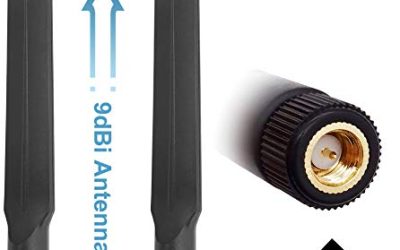
Lora 915mhz Antenna 5.8dbi Long Range Antenna with 10ft Cable for Helium Hotspot Nebra Bobcat 300 SenseCAP M1 Hotspot Finestra HNT Miner& Meshtastic LORA32 915MHz ESP32 LoRa OLED Board
One of the consumer electronics options compared in this guide.
View on Amazon
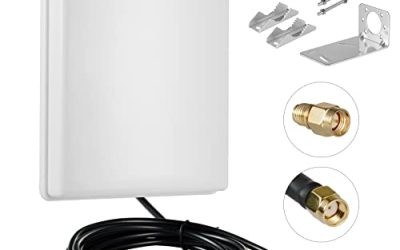
LoRa 915mhz Yagi Antenna Kit 15dBi Gain Outdoor Directional Long Range External Antenna for Helium Hotspot Meshtastic LoRa Miner
One of the consumer electronics options compared in this guide.
View on Amazon
Waterproof 8dBi Long Range Cellular Ultra Distance LoRa Gateway Antenna Omni-Directional Glass Fiber LoRaWan 915MHz Antenna with 5M/16.4FT Cable for Helium RAK Hotspot HNT Finestra Miner Mining
One of the consumer electronics options compared in this guide.
View on Amazon
915Mhz / 13 dBi gain Yagi LoRa Antenna - Excellent for Helium Hotspot Mining
One of the consumer electronics options compared in this guide.
View on Amazon
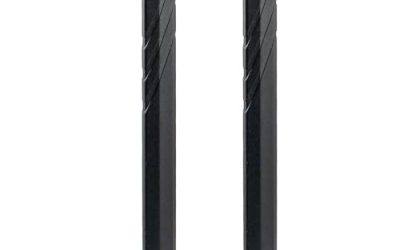
RAIGEN Helium Miner 10dBi Antenna LoRa 915 MHz 59in Outdoor Omni-Directional HNT Hotspot for MNTD, Nebra, RAK, Bobcat, Syncrob, and Sensecap [Cables Sold Separately] (10 dbi)
One of the consumer electronics options compared in this guide.
View on Amazon
Yagi 915mhz lora Antenna 13dBi High Gain Outdoor Directional Long Range Antenna N Female for Helium Hotspot Mining Lora Miner Wireless Meshtastic Lora HaLow
One of the consumer electronics options compared in this guide.
View on Amazon
RAIGEN 8dBi LoRa 915 MHz Antenna 43.3in Indoor Omni-Directional LoRaWAN Helium Miner HNT Hotspot for MNTD, Nebra, RAK, Bobcat, Syncrob, and Sensecap [Cables Sold Separately] (8 dbi)
One of the consumer electronics options compared in this guide.
View on Amazon
915mhz LoRa Antenna/meshtastic Antennas for meshtastic Devices LORA32 Module, Antennas for Helium HNT Miner Hotspot LoraWan with 10dbi 16.5ft RP-SMA SMA Cable
One of the consumer electronics options compared in this guide.
View on Amazon| Product | Best for | Key spec from the title |
|---|---|---|
| 5.8dBi LoRa antenna with 10ft cable | Easy upgrade for common hotspots | 5.8dBi, 915MHz, 10ft cable |
| 15dBi LoRa Yagi kit | Aiming at one distant area | 15dBi, directional, outdoor kit |
| 8dBi fiberglass omni with 5M cable | Waterproof rooftop mounting | 8dBi, omni-directional, 5M/16.4FT cable |
| 13dBi 915MHz Yagi | Directional hotspot mining | 13dBi gain Yagi |
| RAIGEN 10dBi 59in outdoor omni | Tall outdoor omni coverage | 10dBi, 59in, outdoor |
| 13dBi Yagi with N Female | Direct N-type connection | 13dBi, N Female, directional |
| RAIGEN 8dBi 43.3in indoor omni | Window or attic placement | 8dBi, 43.3in, indoor |
| 10dBi antenna with 16.5ft RP-SMA cable | Meshtastic and LoRa32 modules | 10dBi, 16.5ft, RP-SMA |
How to Choose
Decide between omni and Yagi first
An omnidirectional antenna radiates in a full circle, so it suits a hotspot with neighbors on every side. A Yagi is directional, trading coverage behind and beside it for more reach in one direction. If your closest gateways or sensors sit along a single bearing, such as across a valley, a Yagi at 13 to 15 dBi can help. If your surroundings are uncertain, an omni is the forgiving choice and avoids aiming errors. Many owners start with an omni, learn the real traffic pattern, and only then consider a directional upgrade.
Understand what gain really does
Gain is not extra power. A higher dBi figure squeezes the same signal into a flatter pattern. On an omni that means a thinner horizontal slice, so a 10 dBi antenna can outperform a 5.8 dBi antenna on flat ground yet struggle if the gateway sits at the top of a hill with devices below it. Match gain to terrain: modest gain for hilly sites, higher gain for flat suburban or rural layouts.
Account for cable length and connectors
Every foot of coax adds loss, and loss at 915 MHz eats into the benefit of a high-gain antenna. A 10ft or 16.4ft lead is acceptable for short runs, but a very long thin cable can cancel a gain upgrade. Check connectors against your hotspot before buying: N-type, RP-SMA and SMA are not interchangeable without adapters, and adapters add their own loss. Titles that list the cable and connector save you from guesswork.
Indoor versus outdoor build, and what to ignore
Outdoor antennas should list waterproof or fiberglass construction. Indoor-rated antennas are fine near a window or in an attic but should not face weather. Ignore claims of guaranteed range or mining rewards in listing text; those depend on location and network rules. Also confirm 915 MHz is the right band for your region, as other regions use different LoRa frequencies. Budget antennas most often cut corners on cable quality and connector sealing, so wrap outdoor joints with self-fusing tape and drip loops.
The 8 Best Options
5.8dBi LoRa 915MHz Antenna with 10ft Cable
This listing names Nebra, Bobcat 300, SenseCAP M1 and Finestra hotspots as well as Meshtastic, and it includes a 10ft cable. At 5.8 dBi it is a modest-gain omni that suits owners who want a clear step up from a stock stub without worrying about tight aiming or terrain.
- Strength: broad hotspot compatibility is called out directly in the title.
- Strength: the included 10ft cable allows window or exterior placement.
- Trade-off: 5.8 dBi is the lowest gain here, so it will not stretch as far on flat ground.
Skip it if you want maximum reach toward a known direction, since a Yagi would serve that goal better. It also leaves less headroom for hotspots mounted in a basement or low floor, where more height gains more than extra dBi.
LoRa 915MHz 15dBi Yagi Antenna Kit
The title lists 15 dBi gain, a directional outdoor pattern and kit packaging for Helium and Meshtastic use. It has the highest gain among these picks and fits owners who know exactly where the target area lies and can mount the antenna on a pole.
- Strength: 15 dBi is the highest listed gain in the group.
- Strength: outdoor design with a kit format suits mast mounting.
- Trade-off: the narrow directional beam means poor coverage behind and to the sides.
Skip it if your hotspot has neighbors on all sides, or if you cannot aim and secure a mast. A loose mount that drifts a few degrees in the wind can waste the entire advantage of a narrow beam.
8dBi Waterproof Fiberglass Omni with 5M Cable
This omni-directional LoRaWAN antenna lists 8 dBi, waterproof glass-fiber construction and a 5M (16.4ft) cable. It fits rooftop or eave mounting where weather exposure is a certainty, and its long lead reaches a gateway indoors.
- Strength: fiberglass and waterproof wording signal outdoor durability.
- Strength: the 16.4ft cable lets you place the antenna high and the hotspot low.
- Trade-off: a long lead adds signal loss, partly offsetting the 8 dBi.
Skip it if you can mount the gateway close to the antenna and want to avoid cable loss. A shorter lead from another source may preserve more of the signal if the gateway sits close to the roofline.
915MHz 13dBi Gain Yagi LoRa Antenna
This Yagi is described as excellent for Helium hotspot mining and lists 13 dBi. It is a plain, focused option for someone who wants a directional upgrade with a lower gain than the 15 dBi kit, which makes aiming slightly more tolerant.
- Strength: 13 dBi is a balanced gain for directional use.
- Strength: the listing is aimed squarely at Helium hotspot use.
- Trade-off: the title does not state cable or mounting details, so extras may be needed.
Skip it if you need an included cable or want an omni pattern. Budget for a separate low-loss lead and a mounting bracket before counting it as the cheaper option.
RAIGEN 10dBi 59in Outdoor Omni
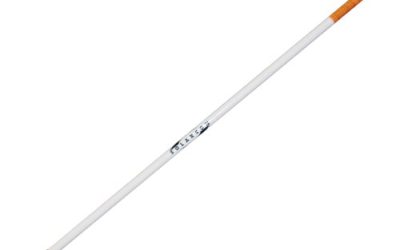
RAIGEN lists a 10 dBi, 59-inch, outdoor omni-directional antenna for Helium miners including MNTD, Nebra, RAK, Bobcat, Syncrob and SenseCAP. Its length hints at a collinear design, suited to mounting on a pole or roof.
- Strength: outdoor omni design with named hotspot compatibility.
- Strength: 10 dBi offers reach without needing to aim.
- Trade-off: at 59 inches it needs real mounting hardware and wind consideration.
Skip it if you only have a window ledge or an apartment balcony. Wind loading on a tall whip is a genuine concern, so plan for guy support or a sturdy pole clamp.
Yagi 13dBi N Female LoRa Antenna
This 13 dBi directional antenna lists an N Female connector, with Helium, Meshtastic and wireless LoRa use in the title. It fits owners who already own an N-type pigtail or low-loss cable and want to avoid adapters.
- Strength: N Female is a sturdy connector for outdoor runs.
- Strength: 13 dBi suits focused coverage over a known path.
- Trade-off: no cable is mentioned, so you must supply a matching lead.
Skip it if your hotspot uses a different connector and you want to avoid adapters. Each adapter adds a possible leak point and a little signal loss, which matters at this band.
RAIGEN 8dBi 43.3in Indoor Omni
This indoor-rated 8 dBi omni stands 43.3 inches tall and lists the same hotspot compatibility as its outdoor sibling. It suits attic spaces, upper-floor windows and enclosed porches where weather is not a factor.
- Strength: indoor design avoids the bulk and cost of weatherproofing.
- Strength: omni pattern needs no aiming.
- Trade-off: building materials will absorb signal, limiting the benefit of indoor placement.
Skip it if you plan to place it outside, since the listing says indoor. If the goal is the widest possible coverage, outdoor placement above roof height normally beats any indoor spot.
10dBi 915MHz Antenna with 16.5ft RP-SMA Cable
This listing lists 10 dBi, a 16.5ft cable and RP-SMA, aimed at Meshtastic devices, LoRa32 modules and Helium HNT hotspots. It suits hobbyists running development boards who need to place the antenna away from the radio.
- Strength: RP-SMA suits many small LoRa boards directly.
- Strength: the 16.5ft lead allows distant placement.
- Trade-off: a long RP-SMA lead adds loss, and not every commercial hotspot uses that connector.
Skip it if your hotspot has an N-type port. In that case an adapter or a different antenna family is the cleaner path.
Which One Fits Your Situation
You live in a suburb with neighbors on every side
Choose the RAIGEN 10dBi outdoor omni on a pole, which covers all directions without aiming. If you can only reach a window, the 5.8dBi antenna with 10ft cable is the simpler fit.
You need to reach one distant cluster
The 13dBi Yagi or the 15dBi Yagi kit concentrates energy toward a single bearing. Pick the 13dBi if you want more forgiving alignment and the 15dBi kit if the target is far and fixed.
You are running a Meshtastic or LoRa32 board
The 10dBi antenna with RP-SMA cable matches small development boards and keeps the radio indoors while the antenna sits higher.
You need weatherproof rooftop mounting
The 8dBi fiberglass omni with 5M cable is made for exposed spots, and the lead reaches an indoor gateway.
Common Mistakes
- Assuming higher dBi is always better when terrain and mounting height decide the result.
- Ignoring connector type until the antenna arrives and does not fit the hotspot.
- Using a long, thin cable that cancels the benefit of a gain upgrade.
- Pointing a Yagi at the wrong bearing, or mounting it so wind rotates it.
- Placing an indoor-rated antenna outside, or skipping sealing on outdoor connectors.
Related guides
- External Hard Drive For Xbox Series X
- How To Check Gpu Temperature While Gaming
- 7.1 Surround Sound Gaming Headsets
Frequently Asked Questions
Is a Yagi better than an omni for a Helium hotspot?
Only if your target is in one direction. A Yagi gives reach along a bearing but weakens coverage behind and beside it, while an omni covers every side.
Does more gain mean more range?
Not automatically. Gain reshapes the pattern, so a high-gain omni can overshoot nearby hills or valleys. Height and clear line of sight often matter more.
Can I use these antennas for Meshtastic?
Several titles name Meshtastic directly, and they share the 915 MHz band. Check the connector on your device before ordering.
Do I need to worry about local rules?
Yes. Antenna gain and band limits differ by region, so confirm 915 MHz and the allowed gain for your location before installing.