Our Top Picks
If you run a CB radio from a house, a shop, or a farm, the antenna matters more than the radio. A stock transceiver puts out a tightly regulated amount of power, so the only meaningful way to extend your range is a better antenna, mounted higher and tuned properly for the 27MHz band. That is why base station antennas range from a short no-ground-plane design you can tuck into an attic to a tall, multi-section aluminum whip on a mast, and why two antennas listed for the same band can behave quite differently in a real installation.
This guide is for hobbyists, truckers who keep a home base, rural neighbors using CB for coordination, and ham operators who also cover the 10 and 11 meter bands. Eight antennas are covered, with heights from about 18 feet to just over 20 feet, a compact mini model, and options with a ground plane or without one. The listing details are limited for a few of them, so the review sections stay with what each title states and flag what you need to confirm before you buy. A home setup in 2026 is still mostly about three things: height, a good ground system, and low standing wave ratio. Buyers who nail those three will usually be happier with a modest antenna than those who buy an expensive one and bolt it to a fence post.
Quick Picks
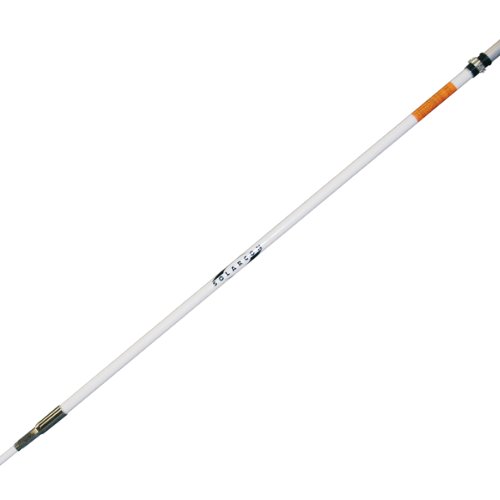
Solarcon A-99 CB Base Station Antenna
One of the consumer electronics options compared in this guide.
View on Amazon
Sirio Starduster M400 CB/10M Base Antenna
One of the consumer electronics options compared in this guide.
View on Amazon
Tram® 500-Watt 26 MHz to 30 MHz No-Ground Mini CB Base Antenna for Vehicle, Mast, or Attic Mounting, 1499
One of the consumer electronics options compared in this guide.
View on Amazon
Procomm 18' 4 Section/Omni-Directional Base Antenna 2000 WATT
One of the consumer electronics options compared in this guide.
View on Amazon
UAYESOK 20ft CB Base Station Antenna, 27MHZ Aluminum Alloy | 3.5dBi High Gain, Low VSWR, All-Weather Resilience, Pre-assembled
One of the consumer electronics options compared in this guide.
View on Amazon
27Mhz CB Radio Base Station Antenna 18.5ft with 49ft Cable PL-259 Cable, Ground Plane, 150W Heavy Duty Antenna for 10 & 11 Meter (26-28 MHz) - 3.5 dBi Gain
One of the consumer electronics options compared in this guide.
View on Amazon
HYSHIKRA 26-28Mhz Base Antenna, CB 6.2meter (20.3ft) Outdoor Antenna with UHF-Female Connector for Midland Cobra Yaesu Mobile Base Transceiver Radio
One of the consumer electronics options compared in this guide.
View on Amazon
FMUSER CB100 18ft Outdoor CB Base Antenna for 27MHz Radio | Enhances signal reception and transmission range. Designed specifically for 27MHz CB radio systems
One of the consumer electronics options compared in this guide.
View on Amazon| Product | Best for | Key spec from the title |
|---|---|---|
| Solarcon A-99 | Established name for a fixed base | CB base station antenna |
| Sirio M400 | Operators covering CB and 10 meters | CB/10M base antenna |
| Tram 1499 No-Ground Mini | Small lots, attics, and masts | 500-watt, 26 to 30 MHz, no ground plane |
| Procomm 18ft 4-Section | High power handling | 18ft, 4 sections, omni, 2000 watt |
| UAYESOK 20ft | Pre-assembled weatherproof install | 20ft, 27MHz, 3.5dBi, low VSWR |
| 18.5ft Ground Plane Kit | Complete kit with a long cable | 18.5ft, 49ft PL-259 cable, 150W, 10 and 11 meter |
| HYSHIKRA 20.3ft | Midland, Cobra, and Yaesu radios | 26-28MHz, 6.2m, UHF-female connector |
| FMUSER CB100 18ft | Straightforward outdoor 27MHz use | 18ft outdoor base antenna, 27MHz |
How to Choose
Height, length, and band coverage
CB operates around 27MHz, where a full-size quarter-wave element is about nine feet and a half-wave or 5/8-wave design can run roughly 18 to 20 feet. Longer antennas generally radiate with a lower angle, which helps range over flat terrain. The listings here cover roughly 18 to 20.3 feet, with a mini no-ground-plane model for tight spaces. Some also cover 26-28MHz, which includes the 10 meter ham band edge. Check that the printed frequency range includes the channels you plan to use. Skip-heavy conditions in summer can carry a signal hundreds of miles regardless of the antenna, so judge range by everyday local contacts, not by a lucky night.
Ground plane versus no ground plane
Many base antennas rely on radials or a ground plane to work as designed. A no-ground-plane design uses an internal counterpoise, so it can be mounted on a mast, in an attic, or even on a vehicle. That makes it easier to install but usually less efficient than a full-size antenna with radials. If you have the room and can mount high, a ground plane model is the better pick for range; if you are on a small lot or in a neighborhood with antenna restrictions, the no-ground-plane design is the practical one. Either way, mounting away from metal roofing, gutters, and power lines will keep the pattern cleaner and the noise lower.
Power rating, gain, and SWR
Wattage figures such as 150W, 500W, or 2000W describe how much power the antenna can handle, not how much your radio will deliver. A legal CB radio puts out only a few watts, so the rating is a safety margin, not a performance feature. Gain figures like 3.5dBi are modest, and in real use the antenna’s tuning counts for more. Look for a low standing wave ratio, measured with an SWR meter after installation. A reading near 1.5:1 or better across the band is a good sign. If the reading climbs at the band edges, trimming or tuning the antenna per the maker’s instructions is usually the fix, rather than swapping the whole antenna.
Connectors, cable, and durability
Most CB radios use a UHF (SO-239) jack, which accepts a PL-259 plug. Confirm that the antenna’s feedpoint or the included cable matches that. Longer cable runs lose signal, so a 49ft run costs more than a short one, and good coax is part of the system. Aluminum-alloy elements, stainless hardware, and sealed feedpoints matter in all-weather installs, and budget antennas often cut corners on mounting hardware and guy-wire support, which is a problem on a tall mast in wind. Lightning protection and a proper ground rod for the mast deserve a place in the plan too, particularly in open country.
The 8 Best Options
Solarcon A-99
The Solarcon A-99 is listed simply as a CB base station antenna, so the title offers little more than its name and purpose. It is a recognized name among CB base antennas, which counts for something when you want a known quantity rather than an unbranded import. Operators who have used one at a previous house often default to the same name at the next.
- Strength: a name that many CB operators recognize for fixed stations.
- Strength: positioned specifically as a base station antenna.
- Trade-off: the visible title gives no height, gain, or power rating, so confirm those details first.
Skip it if you want specifications spelled out in the listing before you decide.
Sirio M400
Sirio lists the M400 as a CB and 10 meter base antenna. The dual mention is the key detail: it suggests the design is meant to serve both the 11 meter CB band and the nearby 10 meter ham band.
- Strength: CB plus 10 meter coverage suits operators with a ham license.
- Strength: a recognized antenna brand name on the product.
- Trade-off: the short title lacks height and gain specifics.
Skip it if you only need basic CB and want a simpler, shorter antenna. Anyone with a ham license who wants to use the same mast for both bands will see the most benefit from this one.
Tram 1499 No-Ground Mini
Tram’s 500-watt design covers 26 to 30 MHz and needs no ground plane, with mounting suggested on a vehicle, mast, or attic. It is the compact option here, aimed at people who cannot put up a long whip.
- Strength: no ground plane is needed, which simplifies installation.
- Strength: flexible mounting on a mast, attic, or vehicle.
- Trade-off: a compact antenna generally cannot match the range of a full-height one.
Skip it if you have a tall mast available and want maximum range.
Procomm 18ft 4-Section
Procomm sells an 18-foot omni-directional base antenna in four sections with a 2000 watt rating. The sectional design makes it easier to ship and assemble than a single long element. It is a reasonable choice for a work shed or a farm base where a rugged antenna on a pipe mast is the goal.
- Strength: an 18-foot omni-directional design for general coverage.
- Strength: a high power rating gives a generous safety margin.
- Trade-off: assembling four sections takes care to keep the joints tight and weatherproof.
Skip it if you want a pre-assembled unit.
UAYESOK 20ft
UAYESOK offers a 20-foot, 27MHz aluminum-alloy base antenna with 3.5dBi gain, low VSWR, and all-weather resilience, delivered pre-assembled. The pre-assembled build is the convenience feature. Someone who dislikes measuring and tightening sections on a ladder will appreciate not having to.
- Strength: pre-assembled construction cuts setup time.
- Strength: aluminum alloy and an all-weather claim suit permanent outdoor mounting.
- Trade-off: a 20-foot pre-assembled antenna is awkward to handle and ship.
Skip it if you have limited mounting room or a weak mast.
18.5ft Ground Plane Kit
This 27MHz base antenna runs 18.5 feet and comes with a 49-foot cable terminated in PL-259 connectors, a ground plane, and a 150W heavy-duty rating covering 10 and 11 meter operation from 26 to 28 MHz. The bundled cable is the notable extra. A rooftop mount with the radio in a downstairs room is the type of layout the long cable is clearly meant to cover.
- Strength: the 49-foot cable is included, saving a separate purchase.
- Strength: 26 to 28MHz coverage includes 10 meter operation.
- Trade-off: a 150W rating is the lowest power handling in this group.
Skip it if you plan to run an amplifier or want a minimal radial-free setup.
HYSHIKRA 20.3ft
HYSHIKRA lists a 26 to 28MHz, 6.2 meter (20.3 foot) outdoor base antenna with a UHF-female connector, naming Midland, Cobra, and Yaesu radios. The named brands make matching easier.
- Strength: coverage across 26 to 28MHz with a clear connector type.
- Strength: named radio brands reduce compatibility guesswork.
- Trade-off: at over 20 feet, it needs a strong mast and secure mounting.
Skip it if your radio uses a different connector standard.
FMUSER CB100 18ft
FMUSER sells an 18-foot outdoor CB base antenna for 27MHz radios, with wording about better signal reception and transmission range. The listing is simple and focused on the band. For a hobbyist replacing a worn-out antenna, a like-for-like 18-foot swap is easy to plan.
- Strength: a plain 18-foot 27MHz design for outdoor use.
- Strength: it is specifically aimed at CB radio.
- Trade-off: the visible title lacks gain, power rating, or connector detail.
Skip it if you need a documented power rating.
Which One Fits Your Situation
A small lot with antenna restrictions
The Tram 1499 No-Ground Mini works without a ground plane and can sit in an attic or on a short mast, trading some range for discretion.
A rural property with a tall mast
The UAYESOK 20ft or the HYSHIKRA 20.3ft gives the most height here. Plan on guy wires and a sturdy base. A slightly taller antenna on a poorly braced mast is a worse bet than a shorter one that stays put in a storm.
A ham who also uses 10 meters
The Sirio M400 and the 18.5ft Ground Plane Kit both mention 10 meter coverage, with the kit including a long cable.
A first-time installer on a tight schedule
The Procomm 18ft 4-Section and FMUSER CB100 18ft are straightforward 18-foot choices, while the Solarcon A-99 is a familiar name for a fixed base.
Common Mistakes
- Mounting the antenna too low and then blaming the radio for poor range.
- Skipping an SWR check after installation.
- Treating the wattage rating as if it meant more transmit power.
- Using thin coax over a long run and losing signal before it reaches the antenna.
- Ignoring wind loading and mast strength on a tall antenna.
Related guides
- External Hard Drive For Xbox Series X
- How To Check Gpu Temperature While Gaming
- 7.1 Surround Sound Gaming Headsets
Frequently Asked Questions
Does a taller CB base antenna reach farther?
Generally yes, within limits. Height above surrounding terrain and obstructions matters as much as the antenna length, so mounting high usually beats buying a longer whip.
Do I need a ground plane?
Some antennas require radials to work as designed, while others use an internal counterpoise. Follow the listing, and confirm the installation instructions before you cut cable or drill.
What SWR should I aim for?
An SWR near 1.5:1 or below across your channels is a good target. High readings suggest tuning, connector, or cable problems.
Can I use a CB antenna for ham radio?
Some, such as models covering 26 to 28MHz or labeled for 10 meters, can serve the 10 meter band. Confirm the frequency range and your license privileges first.