Key takeaways
- CPU cores and threads: Compiling, containers, and virtual machines love multi-core power. A modern Ryzen or Intel chip with strong multi-threaded performance keeps builds fast.
- RAM capacity: 16GB is the minimum, but 32GB is ideal for running IDEs, browsers, databases, and games simultaneously without slowdown.
- GPU for gaming: A discrete RTX card handles gaming and can accelerate machine-learning or rendering workloads, giving you double duty from one component.
- Display and comfort: A high-resolution, high-refresh panel benefits both code readability and smooth gameplay. A comfortable keyboard matters for long coding sessions.
- Storage and thermals: A roomy PCIe SSD speeds up compiles and load times, while effective cooling keeps sustained workloads from throttling.
Finding a laptop that excels at both coding and gaming means chasing two sometimes-competing goals: the sustained CPU power and RAM that compiling and virtualization demand, and the discrete GPU muscle that games require. The good news is that today’s gaming laptops have become surprisingly capable developer machines.
A strong multi-core processor, generous memory, a fast SSD, and a comfortable keyboard turn a gaming rig into a legitimate workstation. Below we break down what matters when you’re switching between an IDE and an AAA title, then highlight the laptops that handle both without compromise.
Our top picks



 Acer Nitro V 16S AI Gaming Laptop
- Product Group: Personal Computer
- Binding: Personal Computers


As an Amazon Associate we earn from qualifying purchases at no extra cost to you. Ratings are shown as listed on Amazon.
🎮 Get More From Your Setup — Free
Prime Gaming gives you free PC games every month, in-game loot, and a free Twitch channel sub — plus fast free shipping on all the gear above. New members get a 30-day free trial.
Watch: Best Laptop For Coding And Gaming — Video Review
How to Choose a Laptop for Coding and Gaming
- CPU cores and threads: Compiling, containers, and virtual machines love multi-core power. A modern Ryzen or Intel chip with strong multi-threaded performance keeps builds fast.
- RAM capacity: 16GB is the minimum, but 32GB is ideal for running IDEs, browsers, databases, and games simultaneously without slowdown.
- GPU for gaming: A discrete RTX card handles gaming and can accelerate machine-learning or rendering workloads, giving you double duty from one component.
- Display and comfort: A high-resolution, high-refresh panel benefits both code readability and smooth gameplay. A comfortable keyboard matters for long coding sessions.
- Storage and thermals: A roomy PCIe SSD speeds up compiles and load times, while effective cooling keeps sustained workloads from throttling.
The Best Laptops for Coding and Gaming Reviewed
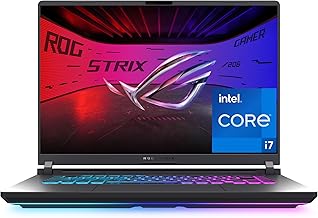
ASUS ROG Strix G16
The Strix G16 pairs a Core i7 14650HX with an RTX 5060 and a 165Hz panel, offering strong multi-core power for compiling and smooth gaming. Its balance of performance and features makes it a top all-rounder.
Acer Nitro V 16S
With a Ryzen 7 260, RTX 5060, 32GB of RAM, and a 180Hz WUXGA display, the Nitro V 16S is a versatile machine for developers who game. The ample memory shines when juggling heavy workloads.
ASUS V16
The ASUS V16 combines a Core 7 240H with an RTX 5070 and a 144Hz WUXGA panel, delivering serious GPU power for both gaming and accelerated development tasks in a clean design.
NIMO 15.6″ Ryzen 7 Pro
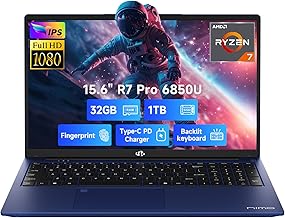
This NIMO focuses on productivity with a Ryzen 7 Pro 6850U, 32GB of LPDDR5, and a 1TB SSD. It handles coding and lighter gaming efficiently, with excellent battery life for a portable workflow.
Acer Nitro V 16S (AI)
The AI-focused Nitro V 16S brings an RTX 5060 with strong AI compute and a bright 180Hz display. It is a smart choice for developers experimenting with local machine-learning models alongside gaming.
Frequently Asked Questions
Do I need a discrete GPU just for coding?
Not for coding alone, but a discrete RTX GPU enables gaming and accelerates tasks like machine learning, rendering, and GPU-based compute, making it worthwhile for dual-purpose use.
Is 16GB of RAM enough for development?
It works for lighter workloads, but 32GB is strongly recommended if you run virtual machines, containers, or multiple heavy applications alongside games.
Does battery life matter on these laptops?
Gaming laptops rarely last long under load, but efficient chips like the Ryzen Pro series offer better endurance for coding on the go. Keep a charger handy for gaming.
Are these laptops good for machine learning?
Models with modern RTX GPUs can run local ML models and training tasks, though serious workloads may still benefit from a desktop or cloud compute.
Final Thoughts
The ASUS ROG Strix G16 is our top overall pick for balancing coding power and gaming, while the Acer Nitro V 16S with 32GB of RAM excels at heavy multitasking. Developers prioritizing portability and battery life should consider the NIMO Ryzen 7 Pro.