Choosing a ring security system is rarely about finding the best single device. It is about matching a kit to the number of entry points you actually need to cover, deciding whether you want professional monitoring or self-monitoring, and determining how far into the Ring ecosystem you intend to go before committing. A homeowner with two doors and a garage needs something entirely different from a small business owner protecting a storefront with six exterior access points.
What separates a good purchase from a wasteful one in this category comes down to three things: whether the sensor count in the box aligns with your real door and window inventory, how easily the system expands without replacing the base station, and whether the monitoring tier you are paying for adds genuine value over simply using the app and Sidewalk network. Owner feedback consistently shows that buyers who oversize their kit end up storing unused sensors, while those who undersize their kit spend more per unit by buying add-ons later.
Our top picks
 Ring Alarm 8-Piece Kit
- A great fit for 1-2 bedroom homes, this…
- Includes an intuitive Keypad that can arm and…
- Choose the Ring Alarm Kit that fits your…
 Ring Alarm 14-Piece Kit
- A great fit for 2-4 bedroom homes, this…
- Includes an intuitive Keypad that can arm and…
- Choose the Ring Alarm Kit that fits your…
 Ring Alarm 5-Piece Kit
- A great fit for condos and apartments, this…
- Includes an intuitive Keypad that can arm and…
- Choose the Ring Alarm Kit that fits your…
| Product | Key specs | |
|---|---|---|
| Ring Alarm 8-Piece Kit | A great fit for 1-2 bedroom homes, this… Includes an intuitive Keypad that can arm and… Choose the Ring Alarm Kit that fits your… | Check price |
| Ring Alarm 14-Piece Kit | A great fit for 2-4 bedroom homes, this… Includes an intuitive Keypad that can arm and… Choose the Ring Alarm Kit that fits your… | Check price |
| Ring Alarm 5-Piece Kit | A great fit for condos and apartments, this… Includes an intuitive Keypad that can arm and… Choose the Ring Alarm Kit that fits your… | Check price |
 Like-New Ring Alarm 8-Piece Kit Like-New Ring Alarm 8-Piece Kit | Like-New Ring Alarm 8-piece kit is refurbished, tested,… A great fit for 1-2 bedroom homes, this… Includes an intuitive Keypad that can arm and… | Check price |
 Ring Sensors: Window & Door Sensor Ring Sensors: Window & Door Sensor | Secure more access points Protect against break-ins Easy installation | Check price |
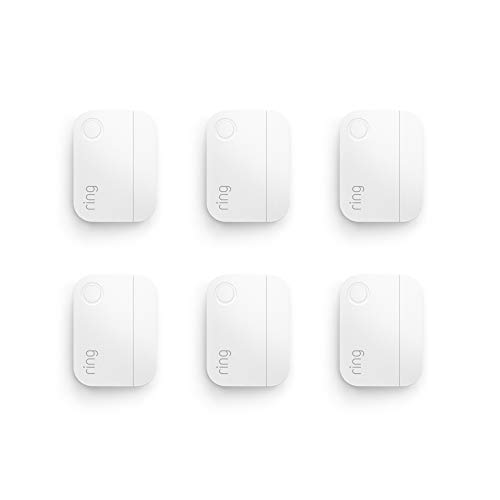 Ring Alarm Contact Sensor 6-Pack Ring Alarm Contact Sensor 6-Pack | Get instant mobile alerts when doors and windows… Now smaller to enable increased placement options. Easy installation with no tools required. | Check price |
 Ring Alarm Pro Ring Alarm Pro | Ring’s best home security system with built-in eero… Customizable home protection Fast and secure internet | Check price |
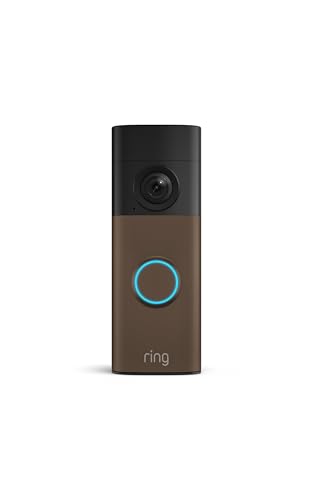 Ring Battery Doorbell 2K Ring Battery Doorbell 2K | Capture it all with Retinal 2K video Zoom in up to 6x Connect to who’s there | Check price |
As an Amazon Associate we earn from qualifying purchases at no extra cost to you.
Quick Picks
| Product | Best For | Price |
|---|---|---|
| Ring Alarm 8-Piece Kit | Typical single-family home, first-time buyers | $249.99 |
| Ring Alarm 14-Piece Kit | Larger homes with many entry points | $329.99 |
| Ring Alarm 5-Piece Kit | Apartments and minimal coverage needs | $199.99 |
| Like-New Ring Alarm 8-Piece Kit | Budget-conscious buyers wanting new-spec gear | $212.99 |
| Ring Window & Door Sensor 6-Pack | Expanding an existing system cheaply | $79.99 |
| Ring Alarm Contact Sensor 6-Pack 2nd Gen | Slim profile and long battery life priority | $59.99 |
| Ring Alarm Pro 14-Piece Kit | Whole-home coverage plus Wi-Fi upgrade in one | $379.99 |
| Ring Battery Doorbell 2K | Front-door video without wiring | $69.99 |
How We Picked
We evaluated each option against four criteria: coverage-to-price efficiency (how many doors or windows each kit protects per dollar), expandability within the same base station, connectivity options including cellular backup and Sidewalk, and the practical monitoring tier that justifies ongoing subscription cost. Owner-reported setup experiences and long-term sensor reliability feedback informed our weighting of each factor.
The 8 Best Ring Security System in 2026
Ring Alarm 8-Piece Kit (Newest Model)
The 8-Piece Kit is the default recommendation for most households because it covers a standard configuration of doors, windows, and motion zones without leaving a single entry point unprotected. The base station, keypad, contact sensor, motion detector, and range extender arrive paired and ready within minutes. Professional monitoring is optional, so you can start on self-monitoring and upgrade only if you want dispatch authority. The con: some owners note the included motion detector covers a fixed arc and cannot be subdivided into smaller zones, which matters in open-plan layouts. Skip this if your home has more than five exterior openings, because the add-on pricing will close the gap with the 14-Piece Kit quickly.
Ring Alarm 14-Piece Kit (Newest Model)
This is the right ring security system for homes with multiple floors, a garage, or a small retail space. The expanded sensor array means fewer separate purchases down the road, and the wireless design keeps installation clean without drilling into framing beyond the contact sensors. Mobile app control and Alexa compatibility are standard across the lineup, but the larger kit benefits most from app-based zone management. The drawback: at $329.99, it demands a higher upfront commitment that is hard to justify if your actual coverage need is closer to six or seven points. Skip it if you live in a condo or one-bedroom with limited access points.
Ring Alarm 5-Piece Kit (Newest Model)
The 5-Piece Kit serves renters, apartment dwellers, and anyone covering a single entry door plus a couple of windows. Setup is genuinely fast because there are fewer devices to pair, and the price keeps the barrier to entry low. Expandability means you can add sensors as needed without replacing the base station. The limitation: five pieces will not cover a typical two-bedroom house, and the effective per-sensor cost rises once you start adding. Skip it if you have more than three entry points or want motion coverage on multiple floors from the start.
Like-New Ring Alarm 8-Piece Kit (Newest Model)
This tier targets buyers who want the full 8-piece specification without paying new-unit price. The Like-New designation means the hardware matches the newest model, so you retain Sidewalk connectivity, app control, and monitoring compatibility. At $212.99 versus $249.99, the savings are modest but real over a system you might keep for years. The trade-off is cosmetic: owners report minor housing scuffs and occasionally shorter remaining battery life in included sensors. Skip it if you plan to resell the system later or need pristine condition for a visible installation spot.
Ring Window & Door Sensor 6-Pack (Newest Model)
Existing Ring Alarm owners will find this the most cost-effective path to filling coverage gaps. Six sensors at $79.99 works out to roughly $13 per protected opening, which undercuts buying a larger base kit when you already have the hub and keypad. Sidewalk connectivity means these sensors communicate without relying solely on your home Wi-Fi, and instant notifications keep the app responsive. The constraint: they require an existing base station, so this is not a standalone purchase. Skip it if you do not already own a Ring Alarm hub or Alarm Pro.
Ring Alarm Contact Sensor 6-Pack 2nd Gen
The second-generation contact sensor improves on the original with a slimmer profile that sits less noticeably on door and window frames, and the approximately three-year battery life reduces maintenance frequency to a near-annual concern. At $59.99 for six units, it is the cheapest sensor expansion in this roundup. Instant alerts work through the same ecosystem. The caveat: the base station is required, and some owners report that the narrower form factor can misalign on uneven window sills, causing false triggers. Skip it if your frames are older or warped, and opt for the newer Window and Door Sensor pack instead.
Ring Alarm Pro 14-Piece Kit (Newest Model)
Ring Alarm Pro combines security hardware with a built-in eero Wi-Fi 6 router, which means the base station doubles as your network backbone. For households with dead zones, this consolidation saves shelf space and cable clutter. The 14-piece sensor array covers most homes without add-ons, and the 30-day free Ring Home subscription lets you evaluate monitoring before paying. The downside: at $379.99, it is the most expensive entry point, and you are paying for Wi-Fi 6 capability even if your current router is adequate. Skip it if your existing network covers your home well and you do not need the router upgrade bundled in.
Ring Battery Doorbell 2K (Newest Model)
The Battery Doorbell 2K adds front-door video with retinal 2K resolution and up to 6x Enhanced Zoom, which lets you identify visitors without mounting the unit at eye level. Two-way talk handles package delivery conversations from your phone, and the matte mocha finish suits modern door colors without standing out. It is the lowest-priced item in this roundup at $69.99 and requires no wiring. The limitation: battery recharging is periodic rather than set-and-forget, and wide-angle footage can distort faces at extreme edges. Skip it if you already have a wired doorbell camera with comparable resolution.
Buying Guide
Match Sensor Count to Actual Entry Points
Before selecting a kit, count every exterior door, ground-floor window, and garage access point. A common mistake is purchasing a 14-piece kit for a two-door apartment or a 5-piece kit for a colonial with eight openings. Ring’s contact sensors are one-to-one per opening, so the math is straightforward. If your count falls between kit sizes, buy the smaller kit and add a six-pack sensor bundle, which usually costs less than stepping up the whole kit tier.
Evaluate Monitoring Needs Honestly
Professional monitoring provides dispatch authority that self-monitoring cannot replicate, and for a ring security system protecting a business or a household where no one is reliably present during the day, that distinction justifies the subscription. If you are home often and already check your phone constantly, self-monitoring with instant app alerts may be sufficient for the first year. Owner feedback suggests most upgrades from self to professional monitoring happen within twelve months of a break-in scare, so budget for the possibility even if you start without it.
Consider Connectivity Redundancy and Expandability
Sidewalk-enabled sensors operate outside your home Wi-Fi network, which means they still report during a broadband outage. This matters more than most buyers realize until their internet drops and the app shows a blank map. Cellular backup on the base station provides a second layer. For future growth, confirm that your chosen base station supports the number of additional sensors and accessories you may add within two years, because replacing a hub later means re-pairing every device.
Our Verdict
The 8-Piece Kit is our top overall recommendation because it covers the most common home configuration without forcing unnecessary expenditure, and its price sits at the inflection point where per-sensor cost drops enough to justify the full package over a 5-piece start with add-ons. For budget buyers, the 5-Piece Kit provides the lowest valid entry point into the Ring ecosystem at $199.99, with a clear expansion path. However, if you need to replace your Wi-Fi router anyway and want whole-home security in a single purchase, the Ring Alarm Pro 14-Piece Kit wins because the built-in eero router makes the $379.99 price competitive against buying a separate mesh router and a standalone 14-piece security kit together.
FAQ
Can I mix Ring Alarm kits and sensors together?
Yes. All Ring Alarm components communicate through the same base station protocol, so a 5-Piece Kit owner can add a Window and Door Sensor 6-Pack or a Contact Sensor 6-Pack without replacing the hub. The system will prompt you through pairing in the app.
Is professional monitoring required for the system to function?
No. Every kit works with self-monitoring, meaning you receive instant push notifications and can arm or disarm from the mobile app. Professional monitoring is an optional subscription that adds dispatch authority when you cannot respond to an alert yourself.
How long do the contact sensor batteries realistically last?
Ring rates the second-generation contact sensor at approximately three years under normal trigger frequency. Owner reports vary based on how often doors and windows open daily, with high-traffic entries sometimes halving that window. The app alerts you before a sensor goes fully dark.
Does the Ring Alarm Pro replace the need for a separate router?
For most single-dwelling homes, yes. The built-in eero Wi-Fi 6 router handles typical device loads and mesh expansion is available if you add compatible eero nodes. If you run a network with dozens of connected devices or need dedicated hardware for specific protocols, you may still prefer a separate router and a standard Ring Alarm kit instead.