Key takeaways
- For value: the RX 9070 XT wins decisively on frames-per-dollar.
- For maxed 4K: the RTX 5090 is in a class of its own.
- For ray tracing: the 5090 leads, though the 9070 XT is much improved.
- For creation and AI: the 5090’s 32GB and architecture dominate.
- For 1440p gaming: the 9070 XT delivers everything most players need.
What's inside
On paper, pitting AMD’s Radeon RX 9070 XT against NVIDIA’s RTX 5090 looks lopsided, and in raw performance it is. But this matchup is really about value versus ultimate power: the 9070 XT is a high-value 1440p and 4K performer, while the 5090 is the no-compromise flagship. The right choice hinges entirely on your budget and goals.
Let’s cut through the spec sheets and figure out which card actually makes sense for your build, whether you’re chasing frames-per-dollar or outright dominance.
As an Amazon Associate we earn from qualifying purchases at no extra cost to you.




🎮 Get More From Your Setup — Free
Prime Gaming gives you free PC games every month, in-game loot, and a free Twitch channel sub — plus fast free shipping on all the gear above. New members get a 30-day free trial.
Watch: Amd Radeon Rx 9070 Xt Vs Rtx 5090: Full Comparison — Video Review
Quick Verdict
Buy the Radeon RX 9070 XT if you want outstanding 1440p and strong 4K gaming at a fraction of flagship cost, it’s the smart-money choice for most gamers. Buy the RTX 5090 only if you demand the absolute best 4K high-refresh performance, top-tier ray tracing, and the horsepower for heavy creation and AI, and your budget can absorb it.
AMD Radeon RX 9070 XT
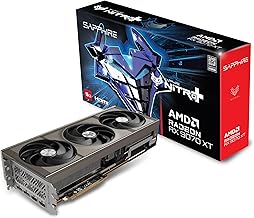
Built on RDNA 4 with 16GB of GDDR6, the RX 9070 XT is AMD’s value champion. Cards like the ASUS Prime, Sapphire Nitro+, XFX Swift and Mercury, PowerColor Reaper, and GIGABYTE Gaming OC deliver excellent 1440p performance and very capable 4K gaming, with meaningfully improved ray tracing over previous AMD generations.
Its real strength is price-to-performance: you get a huge slice of high-end gaming for far less than a flagship. The 16GB frame buffer is ample for modern titles, and board partners offer strong cooling and RGB options. It won’t top the charts, but for the money it’s hard to beat.
NVIDIA RTX 5090
The RTX 5090 is the undisputed performance king. With Blackwell architecture, a massive 32GB GDDR7 frame buffer, DLSS 4, and elite ray-tracing hardware, it delivers 4K high-refresh gaming that nothing else matches, along with class-leading performance in rendering, video, and AI workloads.
That power comes at a steep price and high power draw, demanding a robust PSU and serious cooling. For gamers targeting maxed 4K, content creators, and AI enthusiasts, it’s transformative. For everyone else, much of its capability goes untapped, which is exactly why it’s a niche, premium choice.
Head-to-Head: Which Should You Buy?
- For value: the RX 9070 XT wins decisively on frames-per-dollar.
- For maxed 4K: the RTX 5090 is in a class of its own.
- For ray tracing: the 5090 leads, though the 9070 XT is much improved.
- For creation and AI: the 5090’s 32GB and architecture dominate.
- For 1440p gaming: the 9070 XT delivers everything most players need.
Frequently Asked Questions
Is the RX 9070 XT good enough for 4K?
Yes, it handles 4K gaming well, especially with upscaling. It shines brightest at 1440p, where it delivers high frame rates at a great price.
Is the RTX 5090 worth the extra cost?
Only if you target maxed 4K high-refresh, heavy content creation, or AI work. For mainstream 1440p gaming, its power is largely wasted.
How does ray tracing compare?
The RTX 5090 leads in ray tracing and has DLSS 4. The 9070 XT’s RDNA 4 ray tracing is much improved over past AMD cards but still trails NVIDIA’s flagship.
Do these cards need a big power supply?
The 5090 demands a 1000W+ PSU and strong cooling. The 9070 XT is far more modest and works with a quality mid-wattage supply.
Final Verdict
These cards target different buyers. The Radeon RX 9070 XT is the value pick that satisfies the vast majority of gamers with superb 1440p and solid 4K for far less money. The RTX 5090 is the flagship for those who demand the absolute best in 4K, ray tracing, and creation. Match the card to your budget and workload, not just the benchmark charts.