Key takeaways
- Turn on your monitor’s Game Mode and disable extra image processing to cut display latency immediately.
- Replace V-Sync with FreeSync or G-Sync plus a driver low-latency mode to avoid tearing without adding input delay.
- Use a wired Ethernet connection for online play, since network delay is often mistaken for local input lag.
- Set your mouse to its highest polling rate and keep drivers updated so every movement is reported as quickly as possible.
What's inside
Input lag is the invisible enemy of responsive gaming. It is the tiny delay between your action, whether a click, a keystroke, or a flick of the mouse, and the moment the game reacts on screen. When it is low, everything feels crisp and connected; when it creeps up, aiming feels like wading through mud and even skilled play suffers. The frustrating part is that input lag hides in many places at once, from your peripherals to your display settings, so chasing it means addressing the whole chain rather than a single culprit.
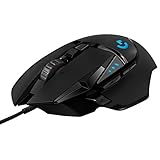
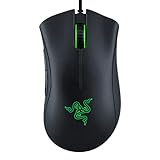
This guide walks through the real sources of input lag and the practical steps that actually reduce it in 2026. You will learn how your monitor, your mouse, your in-game settings, and even your connection each contribute, and which changes deliver the biggest improvement for the least effort. Our recommended low-latency gaming mice above are a proven starting point, since your input device is the very first link in the chain.
As an Amazon Associate we earn from qualifying purchases at no extra cost to you.



⚡ Save on Your Next PC — Amazon Prime
Prime members get fast free shipping on the systems above, plus early access to Prime Day & Black Friday PC deals. New members get a 30-day free trial.
Watch: How to Reduce Input Lag in Games — Video Review
Start With Your Display
Your monitor is often the largest and most overlooked source of delay. A high refresh rate reduces the time between updated frames, but equally important is enabling your monitor’s Game Mode and turning off image-processing features like heavy post-processing and unnecessary HDR tone mapping, which add latency as the display works on the picture. Confirm you are running at the panel’s full refresh rate in your display settings, since a monitor stuck at 60Hz feels sluggish no matter how fast the rest of your system is.
Choose a Responsive Mouse
Your mouse is the first thing that registers your intent, so its responsiveness sets the floor for how the whole system feels. A quality gaming mouse with a modern sensor and a high polling rate reports your movements to the PC more frequently and accurately, shaving milliseconds off every action. Whether you prefer a lightweight wireless option like the Logitech G305, a proven wired workhorse like the G502 Hero, or an ergonomic favorite like the Razer Basilisk V3, starting with a low-latency device removes a common bottleneck.
Optimize In-Game Settings
The settings inside your games have an outsized effect on input lag. Disabling V-Sync in favor of adaptive sync avoids the input delay that traditional vertical sync introduces, while enabling low-latency modes in your graphics driver keeps the render queue short. Running at a frame rate comfortably above your monitor’s refresh rate also tightens responsiveness. The goal is to keep the pipeline between your input and the displayed frame as short as possible rather than letting frames pile up waiting to be shown.
Wired vs Wireless and Your Connection
For years wired was the only serious choice for low latency, but modern wireless gaming technology has closed the gap to the point where the difference is imperceptible to nearly everyone. A current wireless mouse using a dedicated low-latency link performs on par with a cable. What still matters is your network for online games: a wired Ethernet connection to your router reduces the delay and inconsistency that Wi-Fi can introduce, keeping your inputs and the game server in tighter sync.
Keep Your System Clean and Updated
Background clutter quietly steals responsiveness. Closing unnecessary applications frees up CPU resources so your game and inputs are processed without competition, while keeping your graphics drivers current ensures you benefit from the latest latency optimizations. Disabling power-saving modes that throttle your hardware and making sure your peripherals are using their fastest polling settings round out a clean system. None of these steps cost anything, and together they can noticeably sharpen how your setup feels.
Tips
- Turn on your monitor’s Game Mode and disable extra image processing to cut display latency immediately.
- Replace V-Sync with FreeSync or G-Sync plus a driver low-latency mode to avoid tearing without adding input delay.
- Use a wired Ethernet connection for online play, since network delay is often mistaken for local input lag.
- Set your mouse to its highest polling rate and keep drivers updated so every movement is reported as quickly as possible.
Frequently Asked Questions
Does a wireless mouse add noticeable input lag?
Not with modern gaming wireless technology. Current low-latency wireless mice like the Logitech G305 and Razer Basilisk V3 X perform on par with wired mice, and the difference is imperceptible to nearly all players. The old advice to always go wired for latency no longer holds in 2026.
Will a higher refresh rate monitor reduce input lag?
Yes, indirectly. A higher refresh rate shortens the time between displayed frames, so your actions appear on screen sooner, and it typically comes with lower processing latency in Game Mode. Pairing a high-refresh panel with a GPU that can feed it produces the most responsive feel.
Is input lag the same as ping?
No. Input lag is the local delay between your action and it appearing on your screen, while ping is the network delay between your PC and a game server. Both make a game feel unresponsive, but they have different causes and solutions, so it helps to identify which one you are dealing with.
Does frame rate affect input lag?
It does. Higher frame rates generally reduce input lag because new frames, reflecting your latest inputs, are produced more often. Running your game at a frame rate above your monitor’s refresh rate, combined with adaptive sync, is one of the most effective ways to tighten responsiveness.
Conclusion
Reducing input lag is about tightening every link in the chain rather than hunting for one magic fix: a responsive mouse, a properly configured high-refresh display, smart in-game settings, a solid connection, and a clean, updated system. Most of these changes are free and take only minutes, and together they can transform how connected and immediate your games feel. Start with your input device and display, work through the settings, and your setup in 2026 will respond the instant you do.