Key takeaways
- Color and viewing angles: IPS leads clearly; VA is decent; TN is the weakest and shifts color off-angle.
- Contrast: VA wins big with deep blacks; IPS is average; TN is poor.
- Response time: TN is historically fastest; modern fast IPS has closed the gap; VA can smear in dark transitions.
- Price: TN is cheapest, IPS is mainstream-priced, VA sits in between.
- Best genres: TN for esports, IPS for all-round, VA for cinematic and immersive games.
- HDR: VA and IPS handle HDR better than TN thanks to superior contrast or color.
Behind every gaming monitor’s marketing is one fundamental choice that shapes how it looks and performs: the panel type. TN, IPS, and VA are the three technologies that determine your colors, contrast, viewing angles, and response times, and picking the wrong one for your genre can leave you with smeared motion or washed-out visuals. In 2026, IPS has become the default recommendation, but TN and VA still have real strengths worth understanding before you spend.
This comparison breaks down what each panel does well and poorly, so you can match the technology to how you play, whether that’s twitch-reflex esports, cinematic single-player, or a bit of everything. We’ll reference IPS gaming monitors across sizes to illustrate why it’s become the balanced choice for most gamers.
Our top picks


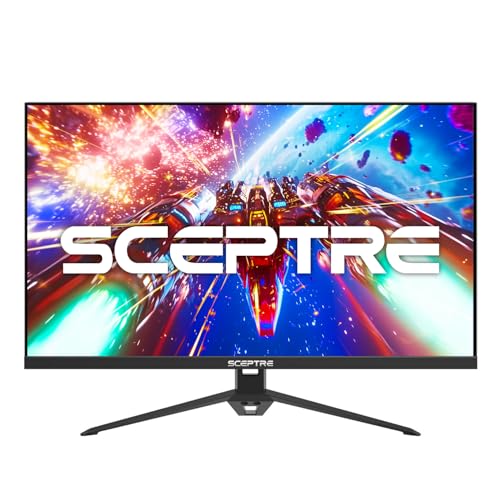


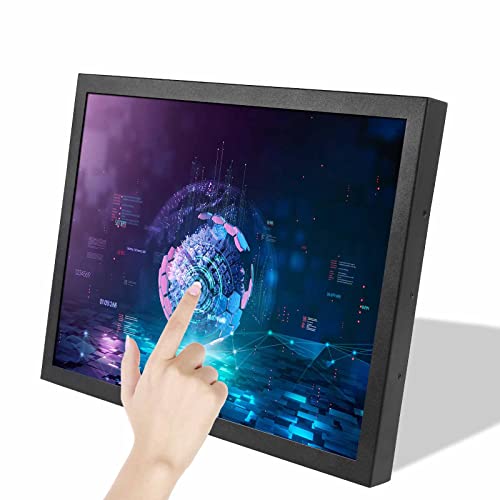
As an Amazon Associate we earn from qualifying purchases at no extra cost to you. Ratings are shown as listed on Amazon.
⚡ Save on Your Next PC — Amazon Prime
Prime members get fast free shipping on the systems above, plus early access to Prime Day & Black Friday PC deals. New members get a 30-day free trial.
Watch: TN vs IPS vs VA Monitor Panels — Video Review
Quick Verdict
For the majority of gamers, IPS is the best all-round panel in 2026: excellent color, wide viewing angles, and response times now fast enough for competitive play. Choose TN only if you want the absolute lowest cost and fastest response for pure esports. Choose VA if you crave deep contrast and inky blacks for immersive single-player and movies and can tolerate slightly slower motion. A fast IPS panel like a 180Hz 1440p display is the safe pick for nearly everyone.
Key Differences
- Color and viewing angles: IPS leads clearly; VA is decent; TN is the weakest and shifts color off-angle.
- Contrast: VA wins big with deep blacks; IPS is average; TN is poor.
- Response time: TN is historically fastest; modern fast IPS has closed the gap; VA can smear in dark transitions.
- Price: TN is cheapest, IPS is mainstream-priced, VA sits in between.
- Best genres: TN for esports, IPS for all-round, VA for cinematic and immersive games.
- HDR: VA and IPS handle HDR better than TN thanks to superior contrast or color.
TN Panels
Twisted Nematic panels are the old-school speed champions. Their key strength is response time and low cost, historically the fastest pixel transitions, which made them the esports favorite for years and keeps them relevant for players who want maximum motion clarity on a tight budget. If your only goal is the highest refresh rate for the least money in competitive shooters, a TN panel still delivers.
The compromises are significant, though. TN panels have the weakest colors, poor contrast, and narrow viewing angles that wash out the image the moment you’re not looking dead-center. For anything beyond pure competitive play, they look dated next to IPS, which is why TN has largely faded from the mainstream as fast IPS panels have matched their speed.
IPS Panels
In-Plane Switching panels are the modern all-rounder and the default recommendation for good reason. They deliver vibrant, accurate colors and wide viewing angles that stay consistent from any position, making them great for gaming, content, and everyday use alike. Crucially, “fast IPS” variants now offer 1ms response times and high refresh rates, closing the old speed gap with TN so they’re fully viable for competitive gaming too.
A fast IPS monitor, whether a 24-inch 1080p esports panel or a 27-inch 1440p high-refresh display, gives you the best balance of everything: color, speed, and versatility. The only real weakness is contrast, IPS blacks look grayish next to VA, and cheaper panels can show “IPS glow” in dark corners. For most gamers, that trade is well worth the superior color and motion.
VA Panels
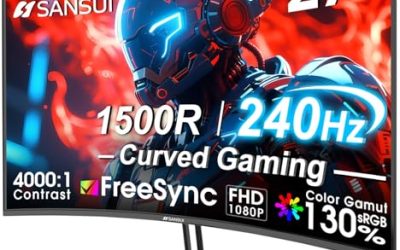
Vertical Alignment panels are the contrast kings. Their standout feature is deep, inky blacks and high contrast ratios, often several times that of IPS, which makes dark scenes in cinematic and horror games look genuinely immersive rather than gray. VA is the go-to for players who prize atmosphere and image depth, and it’s common on curved and larger displays where that contrast shines.
The tradeoff is motion. VA panels can suffer “black smear,” slow transitions in dark scenes that leave trails behind fast-moving objects, which bothers competitive players. Colors and viewing angles are better than TN but not quite IPS-level. For single-player, story-driven, and media-heavy use where contrast matters more than split-second response, VA is excellent; for fast esports, it’s the weakest of the three.
Which Should You Buy?
- All-round best for most gamers: Fast IPS.
- Pure esports on a budget: TN for lowest cost and fastest response.
- Cinematic and immersive single-player: VA for deep contrast.
- Color-accurate work plus gaming: IPS for the best colors.
- Dark-room horror and movies: VA for inky blacks.
Frequently Asked Questions
Which panel type is best for gaming?
For most gamers, fast IPS offers the best balance of color, viewing angles, and now-fast response times. TN suits budget esports, and VA suits cinematic single-player where deep contrast matters most.
Is TN still worth buying in 2026?
Only for budget-focused competitive players who want the fastest response for the least money. Fast IPS panels have matched TN’s speed while offering far better color and viewing angles, so TN has become niche.
Why do VA panels smear?
VA’s slower pixel transitions in dark scenes cause “black smear,” where fast-moving objects leave trails. It’s most noticeable in competitive games with dark environments. If you play mostly story-driven games, it’s rarely an issue.
What is IPS glow?
IPS glow is a slight brightening in the corners of the screen visible in dark scenes, inherent to the technology. It’s usually minor and only noticeable in a dark room. VA panels avoid it thanks to their superior contrast.
Final Verdict
Panel choice comes down to your genre and priorities, but in 2026 the safe answer for most people is a fast IPS monitor: it delivers great color, wide viewing angles, and response times quick enough for competitive play, all at a mainstream price. Pick TN only if you want the cheapest, fastest esports panel, or VA if deep contrast for cinematic gaming is your top priority. Match the panel to how you actually play and you’ll be happy for years.