Key takeaways
- Gaming cache: AMD’s 3D V-Cache dramatically boosts frame rates in cache-sensitive games like simulators and strategy titles.
- Multi-core work: Intel’s higher core counts often edge ahead in video editing, rendering, and heavy multitasking.
- Platform longevity: AMD’s AM5 socket promises upgrades through 2027+, while Intel tends to change sockets more frequently.
- Power and heat: X3D chips run efficiently; some high-end Intel chips draw more power and need beefier cooling.
- Price: Intel frequently wins on the mid-range for raw dollars, AMD on efficiency and gaming per watt.
- Bundled ecosystem: AMD pairs neatly with Radeon for Smart Access Memory; Intel plays well with any GPU.
The Intel versus AMD debate has defined PC gaming for decades, and in 2026 it’s closer and more interesting than ever. AMD’s Ryzen X3D chips, with their stacked 3D V-Cache, have redefined what a “gaming CPU” means, while Intel’s latest Core processors counter with strong multi-core throughput and competitive pricing. For anyone building or buying a gaming rig this year, the choice genuinely affects your frame rates, your platform longevity, and your budget.
This comparison cuts through the tribalism to give you a practical verdict based on real gaming behavior, whether you’re eyeing a Ryzen-powered prebuilt, an Intel Core i5 desktop, or building from scratch. We’ll cover raw gaming performance, value, platform upgradeability, and which chip fits which kind of player.
Our top picks




As an Amazon Associate we earn from qualifying purchases at no extra cost to you. Ratings are shown as listed on Amazon.
⚡ Save on Your Next PC — Amazon Prime
Prime members get fast free shipping on the systems above, plus early access to Prime Day & Black Friday PC deals. New members get a 30-day free trial.
Watch: Intel vs AMD for Gaming in 2026 — Video Review
Quick Verdict
For pure gaming frame rates, AMD’s X3D chips lead thanks to their massive cache, making a Ryzen 7 X3D the enthusiast’s default. For gamers who also stream, edit, or want the best all-round value, Intel’s Core i5 and i7 offer excellent performance per dollar and strong productivity. If you’re buying a mid-range prebuilt, either brand delivers a great experience, so let price and the bundled GPU decide.
Key Differences
- Gaming cache: AMD’s 3D V-Cache dramatically boosts frame rates in cache-sensitive games like simulators and strategy titles.
- Multi-core work: Intel’s higher core counts often edge ahead in video editing, rendering, and heavy multitasking.
- Platform longevity: AMD’s AM5 socket promises upgrades through 2027+, while Intel tends to change sockets more frequently.
- Power and heat: X3D chips run efficiently; some high-end Intel chips draw more power and need beefier cooling.
- Price: Intel frequently wins on the mid-range for raw dollars, AMD on efficiency and gaming per watt.
- Bundled ecosystem: AMD pairs neatly with Radeon for Smart Access Memory; Intel plays well with any GPU.
Intel for Gaming
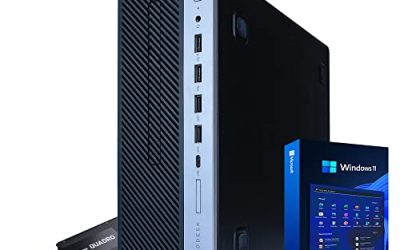
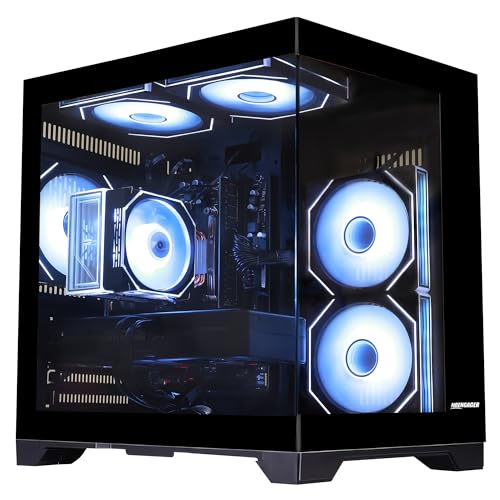
Intel’s strength in 2026 is versatility and value. A Core i5 remains the sweet-spot recommendation for most gamers, delivering frame rates within a few percent of far pricier chips in the vast majority of games where the GPU is the bottleneck anyway. Prebuilts like Core i5-14400F desktops pair that chip with a capable GPU at accessible prices.
Where Intel pulls ahead is mixed workloads. If you stream to Twitch while gaming, edit clips, or run many background apps, Intel’s higher thread counts handle the load smoothly. The tradeoff is that top-end Intel chips can run hot and draw significant power, so budget for a strong cooler if you buy the flagship rather than a mainstream i5.
AMD for Gaming
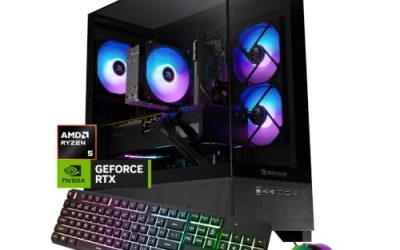
AMD’s Ryzen line, particularly the X3D variants, is the frame-rate king. The stacked cache feeds the cores enough data to pull meaningfully ahead in CPU-bound games, open-world titles, competitive shooters at high refresh, and simulation games can see double-digit percentage gains over comparable Intel chips. A prebuilt or DIY build around a Ryzen 7 X3D is what most enthusiasts chasing maximum FPS choose.
The other big AMD advantage is the AM5 platform’s upgrade path. Buy an AM5 board now and you’ll likely be able to drop in a next-gen Ryzen later without replacing the motherboard, a real money-saver. AMD chips also tend to run cooler and more efficiently, making them easier to cool quietly.
Which Should You Buy?
- Chase maximum FPS: AMD Ryzen X3D, no contest for pure gaming.
- Stream and create too: Intel Core i7 for its multi-core muscle.
- Best value mid-range: Intel Core i5 or a Ryzen non-X3D chip.
- Future upgrades planned: AMD AM5 for its long socket life.
- Buying a prebuilt: Compare the whole package; the GPU matters more than the CPU brand for most games.
Frequently Asked Questions
Is AMD or Intel better for gaming in 2026?
For raw frame rates, AMD’s X3D chips lead. For all-round value and mixed use like streaming and editing, Intel is highly competitive. For most gamers, the GPU matters more than which CPU brand you pick.
Does the CPU brand affect my frame rate much?
In GPU-bound games at high resolution, barely, both brands perform similarly. In CPU-bound scenarios (high-refresh esports, simulators, strategy games), AMD’s cache advantage can produce noticeably higher frame rates.
Is AMD’s AM5 really more upgradeable?
Yes, AMD has committed to supporting the AM5 socket for several years, so you can typically upgrade the CPU later without a new motherboard. Intel changes sockets more often, usually requiring a board swap.
Do I need an expensive cooler for these chips?
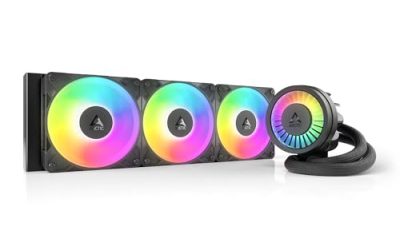
AMD X3D chips run efficiently and cool easily. Some high-end Intel chips draw more power and benefit from a strong air cooler or AIO. Mainstream i5 and Ryzen chips are happy with a good mid-range cooler.
Final Verdict
In 2026 there’s no wrong choice, only the right choice for your priorities. AMD’s Ryzen X3D chips are the definitive pick for gamers who want the highest possible frame rates and a long upgrade path on AM5. Intel’s Core i5 and i7 win on value and shine for anyone who streams or creates alongside gaming. Decide what you actually do with your PC, match the chip to it, and put your remaining budget into the GPU, where it buys the most gaming performance.