Key takeaways
- Target refresh rate: 1440p 60 to 100Hz needs less card than 1440p 165Hz-plus.
- VRAM: 12GB is the comfortable floor for QHD; 16GB adds headroom for future textures.
- Ray tracing: If you want RT on, budget for a stronger card to keep frame rates high.
- PSU and case: Confirm wattage, power connectors, and length before buying.
- Value per frame: Compare street prices, since AMD and NVIDIA trade blows at each tier.
1440p has firmly become the gaming sweet spot, offering a big visual leap over 1080p without the brutal hardware demands of 4K. Hitting high frame rates at QHD, though, means choosing a graphics card with enough horsepower and VRAM to drive modern titles at 144Hz and beyond. In 2026, the current NVIDIA RTX 50-series and AMD RX 9000-series make excellent 1440p performance more accessible than ever.
The right pick depends on your target refresh rate, your budget, and whether you want headroom for ray tracing or the occasional 4K session. This roundup highlights the best GPUs for 1440p gaming right now, from efficient mainstream cards to high-refresh performers, so you can match the card to your monitor and games.
Our top picks
 ASUS TUF Gaming NVIDIA GeForce RTX 5070
- Product Group: Personal Computer
- Binding: Personal Computers


 MSI GeForce RTX 4070 Super 12G Ventus
- Product Group: Personal Computer
- Binding: Personal Computers


As an Amazon Associate we earn from qualifying purchases at no extra cost to you. Ratings are shown as listed on Amazon.
⚡ Save on Your Next PC — Amazon Prime
Prime members get fast free shipping on the systems above, plus early access to Prime Day & Black Friday PC deals. New members get a 30-day free trial.
Watch: Best GPU for 1440p Gaming — Video Review
How to Choose
- Target refresh rate: 1440p 60 to 100Hz needs less card than 1440p 165Hz-plus.
- VRAM: 12GB is the comfortable floor for QHD; 16GB adds headroom for future textures.
- Ray tracing: If you want RT on, budget for a stronger card to keep frame rates high.
- PSU and case: Confirm wattage, power connectors, and length before buying.
- Value per frame: Compare street prices, since AMD and NVIDIA trade blows at each tier.
The Best Picks Reviewed
ASUS TUF Gaming RTX 5070 12GB OC
The RTX 5070 is the definitive 1440p card of this generation, and the ASUS TUF OC pairs its 12GB of GDDR7 with a sturdy cooler and PCIe 5.0. It drives high-refresh QHD comfortably in modern titles and handles ray tracing well thanks to NVIDIA’s upscaling. For most 1440p gamers, this is the balanced, easy recommendation.
MSI GeForce RTX 4070 Super 12G Ventus 2X OC
Still a superb 1440p performer, the RTX 4070 Super with 12GB GDDR6X remains a strong value if you find it discounted. Its Ventus 2X cooler keeps the compact card quiet, and it delivers excellent QHD frame rates with capable ray tracing. It is a smart pick for builders who want proven performance without chasing the newest launch.
KOTIN Prebuilt (RTX 5070, Ryzen 7 9700X)
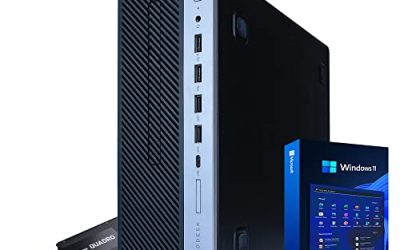
If you would rather buy a complete system, the KOTIN prebuilt bundles an RTX 5070 12GB with a Ryzen 7 9700X, 32GB DDR5, and a 1TB SSD, a ready-made 1440p machine. It removes the guesswork of matching components and delivers balanced QHD gaming out of the box, ideal for players who want performance without building.
ASUS TUF RTX 5070 Ti-Class for High Refresh
For 1440p at 240Hz or 300Hz, or light 4K, stepping up to an RTX 5070 Ti-class card with 16GB adds the extra headroom competitive players crave. The additional VRAM and horsepower keep frame rates high with settings turned up, making it the pick for high-refresh QHD monitors and esports at maximum fidelity.
ASUS ROG XG Mobile (RTX 5070 Ti, External GPU)
For laptop owners who want desktop-class 1440p, the ASUS ROG XG Mobile external GPU with an RTX 5070 Ti and Thunderbolt 5 brings serious QHD performance to a portable setup. It is a niche but powerful option for players who game on the go yet want to plug into a high-refresh 1440p monitor at home.
Frequently Asked Questions
What is the best value GPU for 1440p in 2026?
The RTX 5070 12GB is the balanced sweet spot, while a discounted RTX 4070 Super remains excellent value. AMD’s RX 9070-class cards also compete strongly at QHD.
Is 12GB of VRAM enough for 1440p?
Yes, 12GB is the comfortable floor for QHD today. If you want extra headroom for high-resolution textures or occasional 4K, a 16GB card is the safer long-term buy.
Do I need a Ti model for 1440p?
Only if you target very high refresh rates like 240Hz-plus or want to dabble in 4K. For 1440p up to around 165Hz, a standard RTX 5070 handles it well.
Will my current PSU handle these cards?
Mid-range 1440p cards typically want a 650W to 750W supply with the correct connectors. Check your PSU’s wattage and cables before upgrading.
Final Thoughts
1440p gaming has never been better served, and the RTX 5070 12GB is the card most players should target for balanced high-refresh QHD. Bargain hunters should watch for a discounted RTX 4070 Super, while high-refresh and 4K-curious gamers benefit from a 16GB Ti-class card. Match the GPU to your monitor’s refresh rate, confirm your PSU, and you will enjoy the QHD sweet spot for years.