Key takeaways
- Resolution and size: 1440p at 27 inches is the esports sweet spot, while 4K 32-inch panels like the ASUS ROG PG32UCDM deliver stunning detail, and ultrawides such as the Samsung G9 wrap you in the action.
- Refresh rate: Competitive players want 240Hz or higher for the smoothest motion, offered by the Samsung Odyssey OLED G6 and LG UltraGear, while 180Hz is plenty for immersive single-player play.
- Panel technology: QD-OLED (Samsung, ASUS) tends to deliver vivid color and brightness, while WOLED (LG) offers excellent contrast; both give the perfect blacks OLED is known for.
- HDR performance: OLED excels at HDR thanks to per-pixel lighting, so look for strong peak brightness and proper HDR support to get the most from movies and modern games.
- Burn-in protection: Reputable panels include care features like pixel shifting and cleaning cycles, such as ASUS’s OLED Care and Samsung’s protections, which help preserve the panel over years of use.
What's inside
OLED has taken over the high end of gaming monitors, and once you’ve seen those perfect inky blacks and near-instant response times, it’s hard to go back. In 2026 QD-OLED and WOLED panels deliver the kind of contrast, color and motion clarity that transforms both cinematic single-player worlds and fast competitive shooters. The trade-off is price, but the field has expanded enough that there’s now a stunning OLED for nearly every serious setup.
We rounded up the year’s most sought-after OLED gaming monitors, from sharp 1440p 240Hz workhorses to 4K flagships and immersive ultrawides. We evaluated panel type, refresh rate, response time, HDR performance and the burn-in protections each brand builds in. Below are our top picks across resolutions and sizes, followed by a buying guide to help you land the right OLED for your games and desk.
As an Amazon Associate we earn from qualifying purchases at no extra cost to you.


⚡ Save on Your Next PC — Amazon Prime
Prime members get fast free shipping on the systems above, plus early access to Prime Day & Black Friday PC deals. New members get a 30-day free trial.
Watch: Best OLED Monitor 2026 — Video Review
How to Choose an OLED Gaming Monitor
- Resolution and size: 1440p at 27 inches is the esports sweet spot, while 4K 32-inch panels like the ASUS ROG PG32UCDM deliver stunning detail, and ultrawides such as the Samsung G9 wrap you in the action.
- Refresh rate: Competitive players want 240Hz or higher for the smoothest motion, offered by the Samsung Odyssey OLED G6 and LG UltraGear, while 180Hz is plenty for immersive single-player play.
- Panel technology: QD-OLED (Samsung, ASUS) tends to deliver vivid color and brightness, while WOLED (LG) offers excellent contrast; both give the perfect blacks OLED is known for.
- HDR performance: OLED excels at HDR thanks to per-pixel lighting, so look for strong peak brightness and proper HDR support to get the most from movies and modern games.
- Burn-in protection: Reputable panels include care features like pixel shifting and cleaning cycles, such as ASUS’s OLED Care and Samsung’s protections, which help preserve the panel over years of use.
The Best OLED Gaming Monitors Reviewed
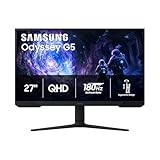
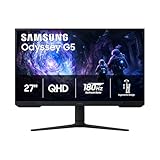
Samsung Odyssey OLED G6 (G61SH)
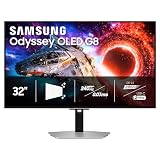
The Samsung Odyssey OLED G6 is our top 1440p pick, a 27-inch QD-OLED running at a blistering 240Hz with a 0.03ms response and G-Sync compatibility. It combines dazzling color, deep blacks and esports-grade speed, making it an ideal do-it-all competitive display.
ASUS ROG PG32UCDM
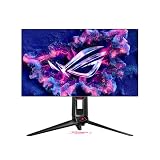
For 4K enthusiasts, the ASUS ROG PG32UCDM is a showstopper, a 32-inch 4K 240Hz QD-OLED with a custom heatsink and ASUS OLED Care. It pairs razor-sharp detail with buttery motion, delivering a premium big-screen experience for those who want it all.
LG UltraGear 27GX704A-B
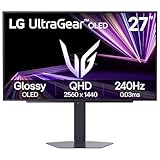
LG’s 27GX704A-B brings WOLED excellence to 1440p, with a 240Hz refresh, 0.03ms response and NVIDIA G-Sync support. Its rich contrast and reliable motion handling make it a superb alternative to the Samsung G6 for competitive and mixed use.
AOC Agon Pro AG276QZD2
The AOC Agon Pro AG276QZD2 is a compelling value QD-OLED, a 27-inch 1440p panel that pushes up to 280Hz for exceptionally smooth gameplay. It offers flagship-level speed and OLED image quality at a slightly friendlier price than the big-name flagships.
Samsung Odyssey G9 (G93SC)
For total immersion, the 49-inch Samsung Odyssey G9 QD-OLED is a curved DQHD ultrawide running at 240Hz with a 0.03ms response. It effectively replaces a dual-monitor setup and wraps sim racers, flight fans and RPG players in a breathtaking panoramic view.
Frequently Asked Questions
Is OLED worth it for gaming in 2026?
For most enthusiasts, yes. OLED’s per-pixel lighting delivers perfect blacks, vivid HDR and near-instant response times that LCDs can’t match. If you play story-driven games or fast shooters and can stretch the budget, the visual upgrade is dramatic.
Should I worry about OLED burn-in?
Modern gaming OLEDs include strong safeguards like pixel shifting and cleaning cycles, and brands such as ASUS (OLED Care) and Samsung build in protections. With normal mixed use and those features enabled, burn-in is far less of a concern than it once was.
QD-OLED or WOLED, which is better?
Both are excellent. QD-OLED panels from Samsung and ASUS often show slightly punchier color and brightness, while LG’s WOLED offers superb contrast and mature panel tech. Either delivers the signature OLED blacks, so it often comes down to price and features.
What refresh rate do I need on an OLED?
For competitive shooters, 240Hz panels like the Odyssey OLED G6 and LG UltraGear feel incredibly fluid, and the AOC Agon Pro pushes to 280Hz. For immersive single-player gaming, 180Hz is already smooth, so match the rate to how competitively you play.
Final Thoughts
The Samsung Odyssey OLED G6 is our overall favorite OLED gaming monitor for 2026, delivering flagship 1440p speed and QD-OLED image quality that suit almost any player. Those chasing pixel-perfect 4K should splurge on the ASUS ROG PG32UCDM, LG fans will love the UltraGear 27GX704A-B, and value seekers get remarkable speed from the AOC Agon Pro. If you crave sheer immersion, the curved 49-inch Samsung Odyssey G9 is a jaw-dropping way to game. Whichever you pick, OLED will redefine what your games look like.